


The Importance of Laser Cutting Machines and Detection
As one of the core equipment in modern manufacturing, laser cutting machines are widely used in aerospace, automotive manufacturing, sheet metal processing, and other fields. They perform precise cutting of metal or non-metal materials using high-energy laser beams, and the processing accuracy and efficiency directly affect the quality of the final product and production costs. As the manufacturing industry moves towards high precision and high efficiency, the dynamic accuracy and spatial position accuracy of laser cutting machines have become key indicators for measuring equipment performance.
In laser cutting machines, the B angle (usually referring to the rotation angle around the Y-axis) and the C angle (usually referring to the rotation angle around the Z-axis) are important parameters that describe the posture of the cutting head. The accuracy of the B and C angles directly determines the positioning accuracy of the cutting head when cutting complex surfaces or inclined cuts, which in turn affects the perpendicularity of the cutting surface, the quality of the cut seam, and the profile accuracy. Therefore, regular detection and calibration of the B and C angles are necessary to ensure the long-term stable operation of the laser cutting machine and maintain processing accuracy.
Detection Demand Analysis
After long periods of operation or after being moved or subjected to vibration, the mechanical structure of the laser cutting machine may undergo slight deformation or wear, leading to deviations in the B and C angles. The corresponding detection demands mainly include:
1. B Angle Detection: Measuring the angle accuracy of the cutting head's rotation around the Y-axis to ensure the perpendicularity of the laser beam to the workpiece surface during inclined cutting.
2. C Angle Detection: Measuring the angle accuracy of the cutting head's rotation around the Z-axis to ensure the directional accuracy of the cutting head within the horizontal plane.
3. Dynamic Accuracy Assessment: Real-time measurement of the changes in the B and C angles during simulated machining movements to evaluate the stability of the equipment in motion.
Traditional detection methods
Traditional detection methods, such as using a right-angle ruler, inclinometer, or optical auto-collimator, have certain limitations:
Contact tools may cause data deviations due to human operation or the weight of the tools;
Traditional methods are difficult to implement continuous dynamic measurements and cannot comprehensively reflect the changes in accuracy of the equipment during motion;
The efficiency is relatively low, requiring multiple adjustments and step-by-step measurements, which is time-consuming and highly dependent on the experience of the operators.
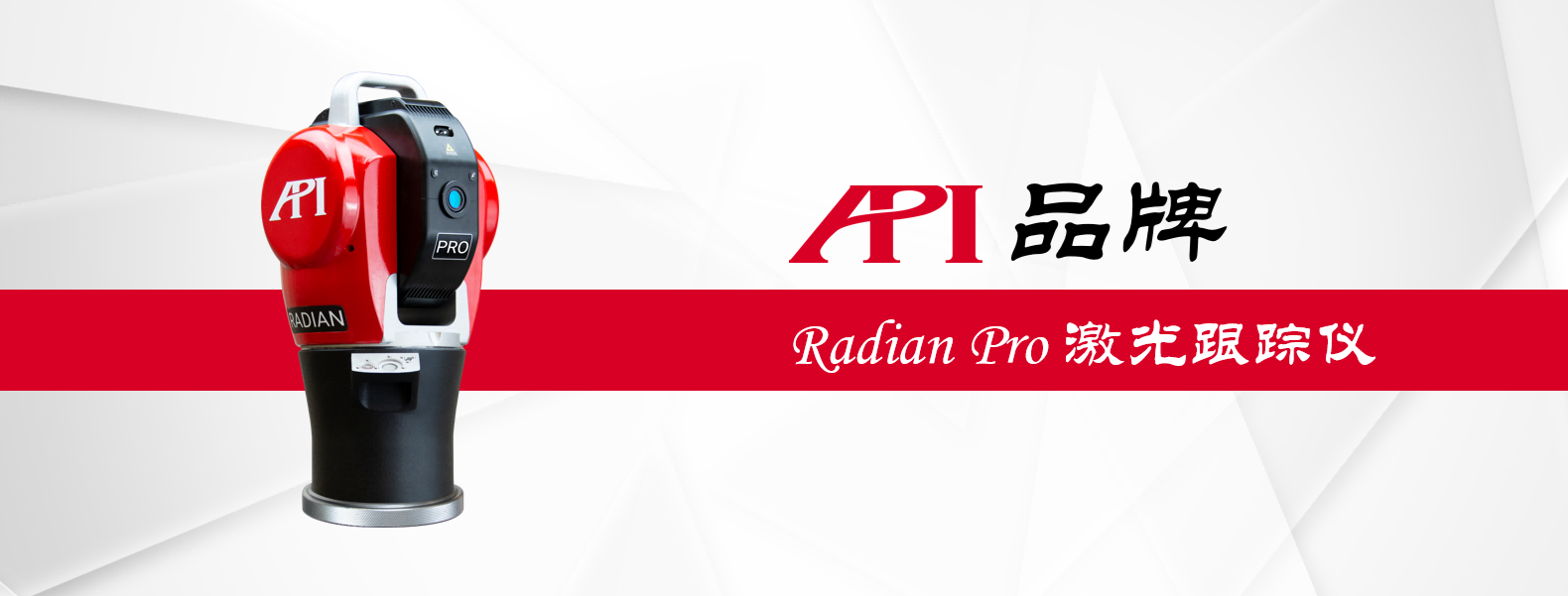
Figure 1: Radian Pro Laser Tracker
API Laser Tracker Measurement Solutions
To meet the measurement accuracy requirements of this laser cutting machine, API has implemented measurements using the Radian Pro model laser tracker.
The Radian Pro laser tracker is the flagship model in API's Radian series, integrating both IFM (Interferometric Laser) and ADM (Absolute Laser) dual lasers, with traceable measurement data, ensuring high-precision and high-standard measurements. The measurement rate of the Radian Pro laser tracker can reach 1000Hz, performing effortlessly in both static and dynamic modes, easily meeting detection needs. In addition, it has an extremely large measurement range, capable of high-precision measurements on workpieces or measurement targets within a range of 160 meters.
During measurement, the tracker emits a laser to the target sphere of the built-in prism and tracks it. Once the target sphere is fitted to the position to be measured, the tracker can collect spatial data at that target position either manually or automatically. After data collection, it will be synchronously transmitted to the measurement software on the laptop for subsequent analysis.
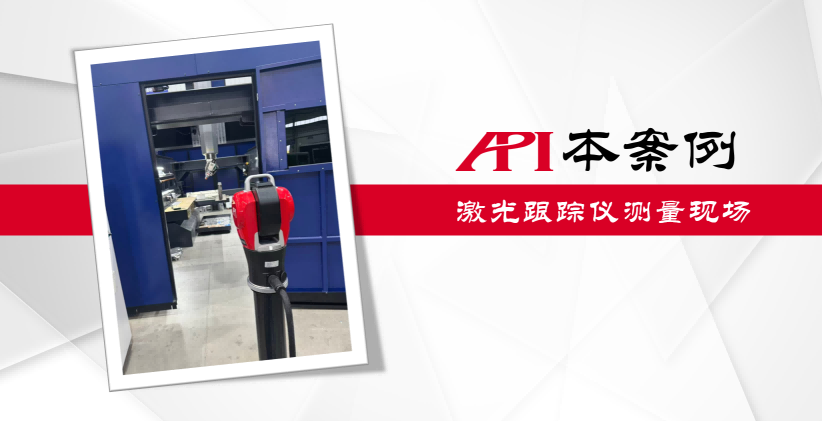
Figure 2: Laser Tracker Cutting Machine Inspection Site
Measurement Implementation
Position the Radian Pro laser tracker at a suitable location around the laser cutting machine to be tested, connect it to a laptop, and power it on;
Fix the tracker target sphere to the spindle of the laser cutting machine;
Operate the laser cutting machine to move in the respective directions of the B-axis and C-axis with corresponding amplitudes;
During the brief pause at the measurement points, the Radian Pro laser tracker rapidly collects the spatial coordinate data of that point and records it in the measurement software on the laptop;
Once all points have been measured, the corresponding measurement results can be analyzed in the measurement software, and a measurement report can be generated.
Measurement Data and Analysis of This Case
Below is the measurement analysis report for the accuracy detection of the B-axis and C-axis of the laser cutting machine in this case:
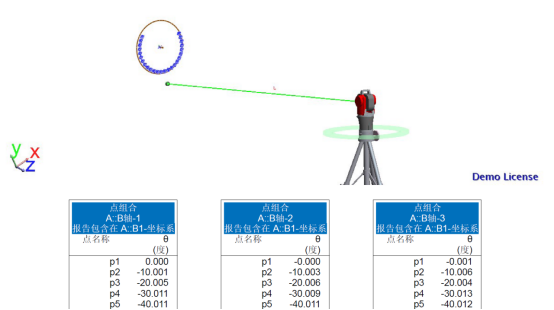
Figure 3: Excerpt from B-axis Measurement Report (I)
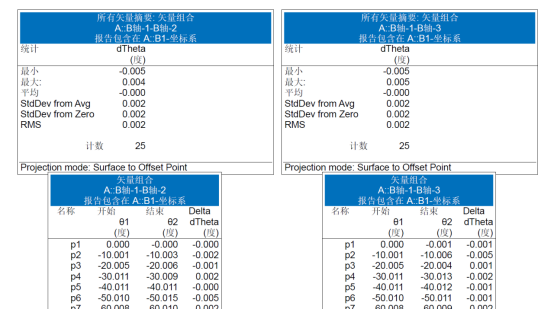
Figure 4: Excerpt from B-axis Measurement Report (II)
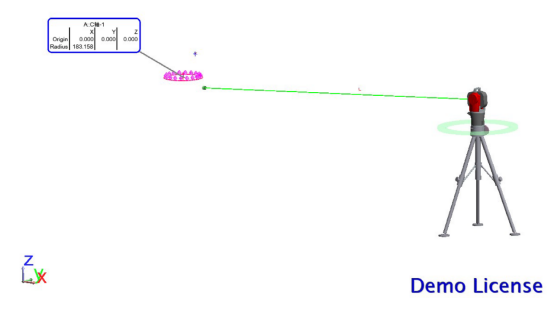
Figure 5: Excerpt from C-axis Measurement Report (I)
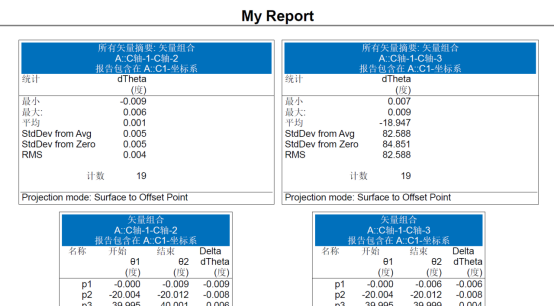
Figure 6: Excerpt from C-axis Measurement Report (II)
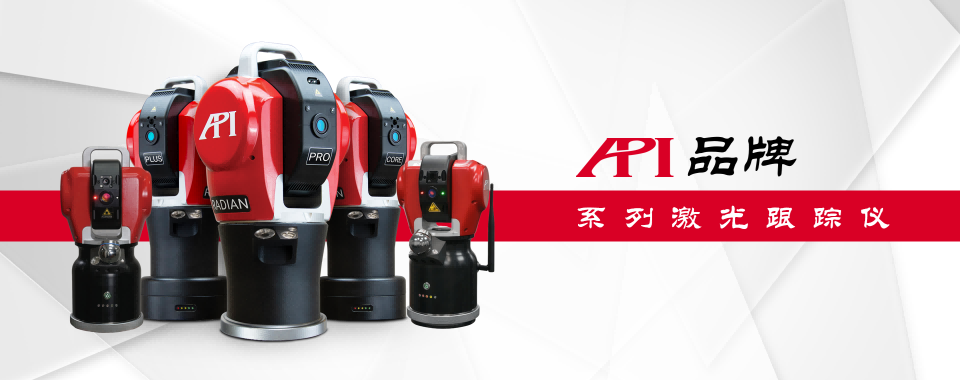
Figure 7: API Laser Tracker
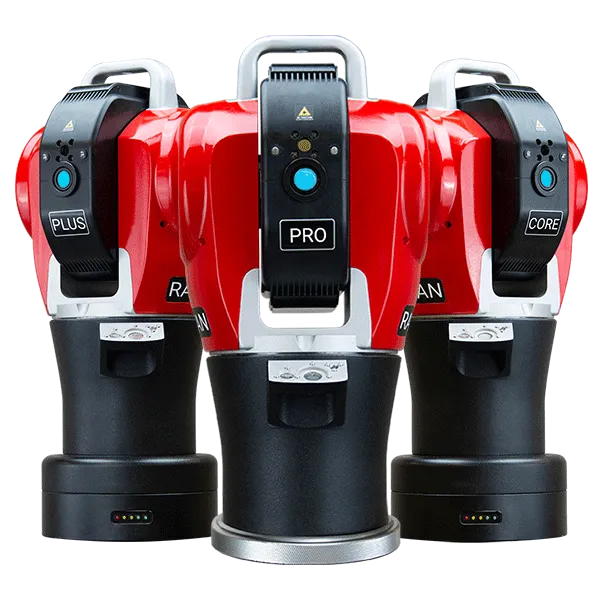
(from left to right: models: iLT / Radian Plus / Radian Pro / Radian Core / iLTx)
More model options
In addition to the Radian Pro model laser tracker used in this case, the API brand also offers different models of laser tracker products to meet measurement needs in more fields and application scenarios.
The Radian Plus and Radian Core provide high-precision measurements while achieving battery power and wireless data transmission, truly realizing completely wireless large-scale precision measurement.
The newly launched iLT laser tracker further reduces the overall size of the laser tracker by 50% (compared to the Radian series) while achieving completely wireless measurement, with a total weight of only 4.9 kg, maximizing portability and fully meeting the needs for applications in outdoor, field, confined spaces, and multi-machine integration environments.
XD Laser Six-Dimensional Laser Interferometer
In this case, in addition to using the laser tracker to detect the accuracy of the B-axis and C-axis, the unique XD Laser interferometer from API was used to test and diagnose the straightness accuracy of the cutting machine.
The XD Laser interferometer offers more convenience and higher efficiency compared to conventional laser interferometers, featuring a highly integrated body design that cleverly incorporates the interference mirror into the main unit. In practical applications, only two points need to be aligned, greatly saving on-site measurement space and facilitating use.
In addition, the XD Laser interferometer can install and simultaneously measure up to 6 parameters at once, namely X, Y, Z, yaw angle, pitch angle, and roll angle, without the need to repeatedly change the optical components and adjust the optical path. This improves efficiency by 5 times compared to conventional laser interferometers and can reduce downtime by up to 80%.
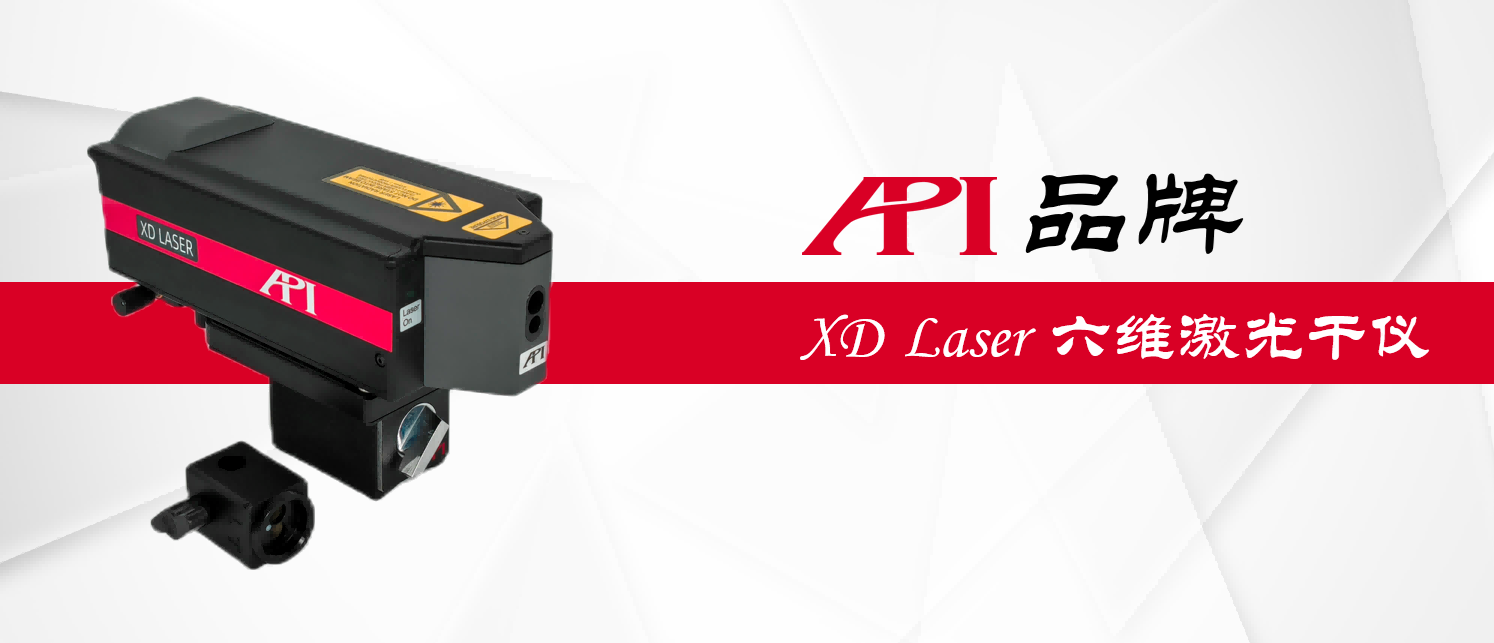
Figure 8: XD Laser Interferometer
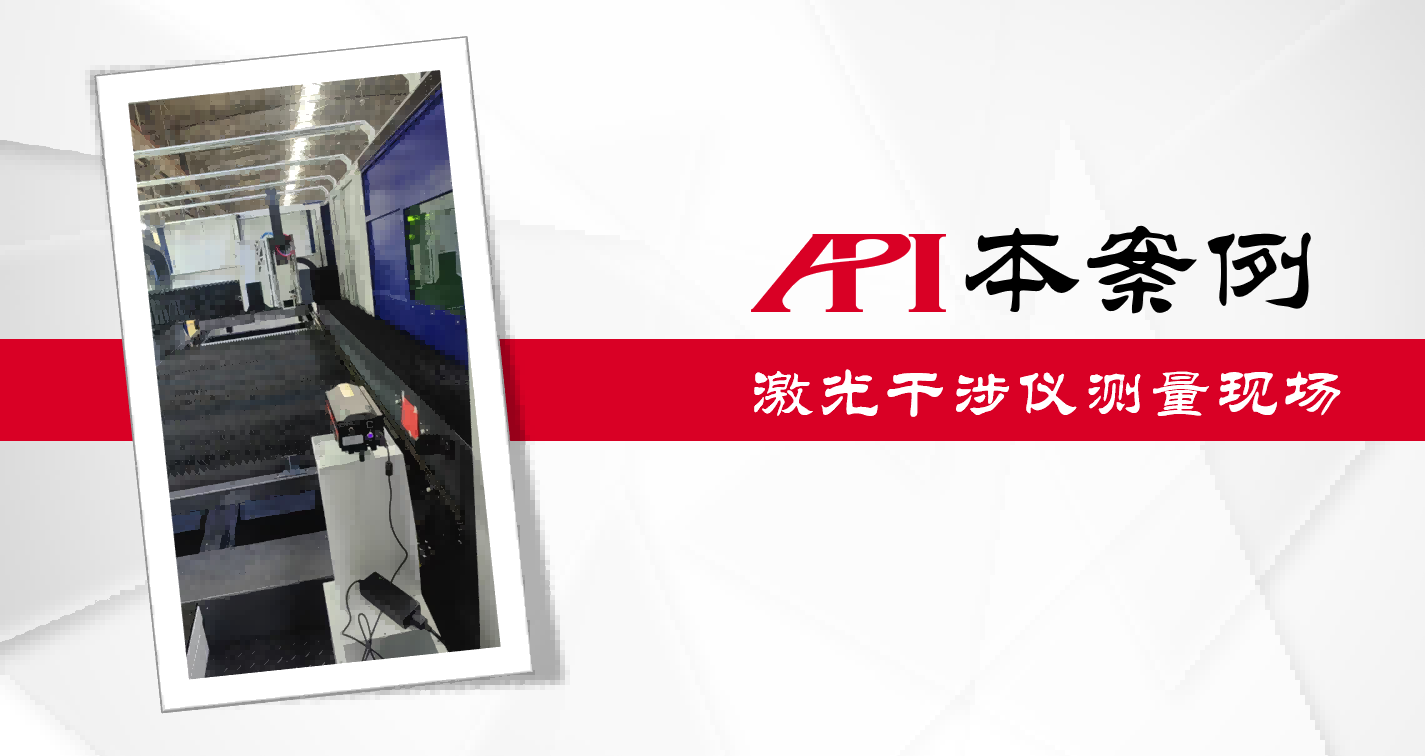
Figure 9: Laser Interferometer Cutting Machine Detection Site
Summary
The application of API brand series products can achieve high standards and high efficiency in detecting the precision of each axis of laser cutting machines, meeting customer demands for laser cutting machine inspections.
相关新闻:
High-precision 3D Inspection of Textile Machinery Roller Components API Laser Tracker Application C
The Importance of 3D Inspection for Textile Machinery RollersRoller components a
High-precision 3D Inspection of Fixed Components in Large Hydraulic Equipment API Laser Tracker App
The Importance of High-precision 3D Inspection for Fixed Components of Large Hyd
Surgical Robot Calibration and Accuracy Enhancement API Laser Tracker Application Solution
About Surgical RobotsWith the leapfrog development of modern manufacturing, robo

Yacht Maintenance 3D Measurement Solution API Laser Tracker Application Case
The Importance of Regular Yacht Maintenance and InspectionFor yachts, whether su
Learn More:
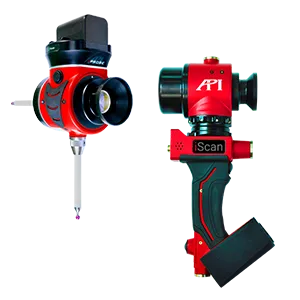
激光跟踪仪靶球&测头
Maximize laser tracker productivity with hand held and 激光跟踪仪主动靶标.
Learn More /laser-tracker-targets
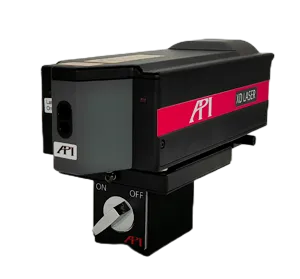
XD Laser CMM Calibration
The XD Laser is the only assessment system that can measure all 6 error parameters simultaneously in a single set-up
Learn More /xd-laser

API Reverse Engineering Service
Reverse engineering services include scan as-built parts to creation of a 3D digital point cloud and CAD Model.
Learn More /reverse-engineering/