


Pipeline Crawling Robots and Detection Requirements
Pipeline crawling robots are commonly used for special operations inside pipelines, requiring them to delve into spaces that are difficult or impossible for personnel to access. Since the work locations are often hard to reach, automated methods are typically needed, which raises high demands for the operational accuracy and stability of the pipeline crawling robots, necessitating testing and evaluation.
Measurement Challenges
For the measurement and evaluation of the operational accuracy and stability of the aforementioned pipeline crawling robots, it is often necessary to conduct assessments while in motion. Traditional measurement tools and methods struggle to achieve high-quality dynamic data collection, which necessitates a more modern measuring instrument that can ensure both dynamic collection methods and measurement accuracy.
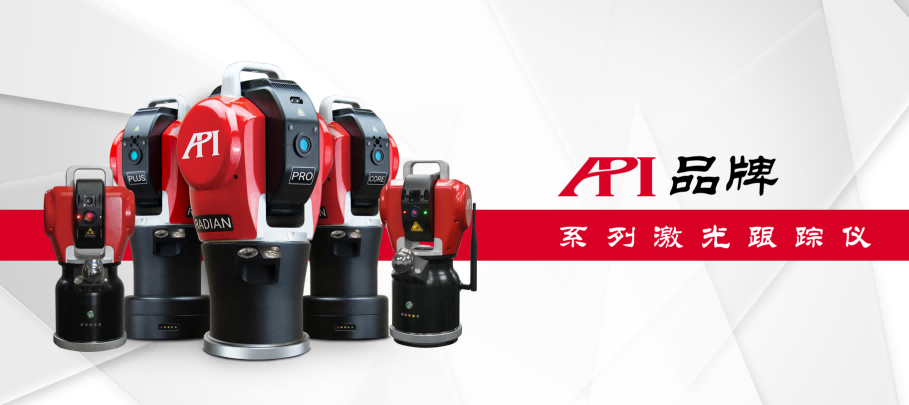
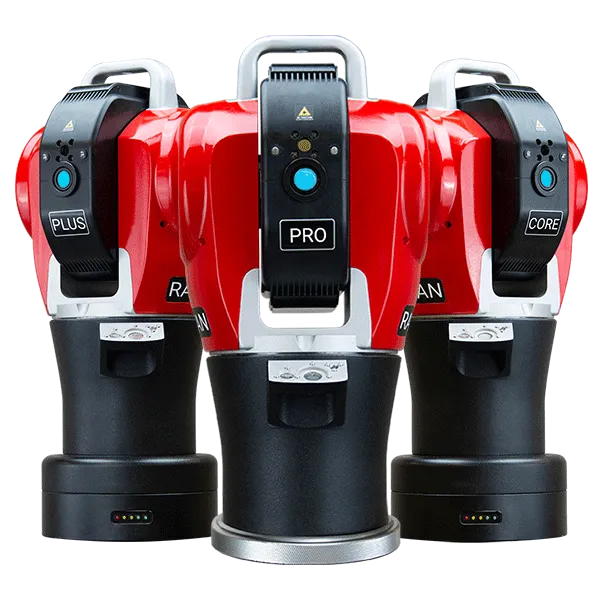
Figure 1: API Series Laser Trackers (Models from left to right: iLT / Radian Plus / Radian Pro / Radian Core / iLTx)
API Laser Tracker Solutions
The Radian and iLT series laser trackers under API are three-dimensional measuring instruments that combine dynamic data collection capabilities with ultra-high measurement accuracy.
The Radian and iLT series laser trackers feature measurement accuracy at the micrometer level (μm, 1/1000mm) and an extensive measurement range (measurement radius exceeding 80 meters), with a data collection rate reaching 1000Hz (1000 points/second), easily meeting the detection requirements for dynamic measurements of pipeline crawling robots.
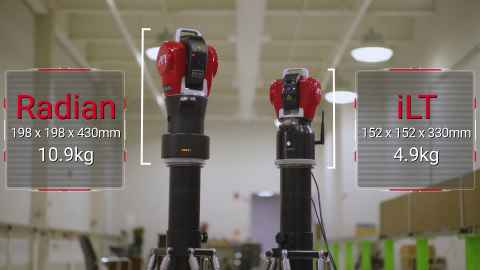
Figure 2: Radian Laser Tracker (left) and iLT Laser Tracker (right)
Among them, the Radian Pro model laser tracker also integrates IFM interferometric laser, allowing for traceable measurement data; the Radian Plus/Core model adopts a completely wireless measurement platform, achieving wireless power and data transmission, making measurements effortless; the iLT series laser tracker further reduces the size and weight of the main unit by nearly 50% while retaining the functions of the Radian series, making it more suitable for portable measurements and production line integration.
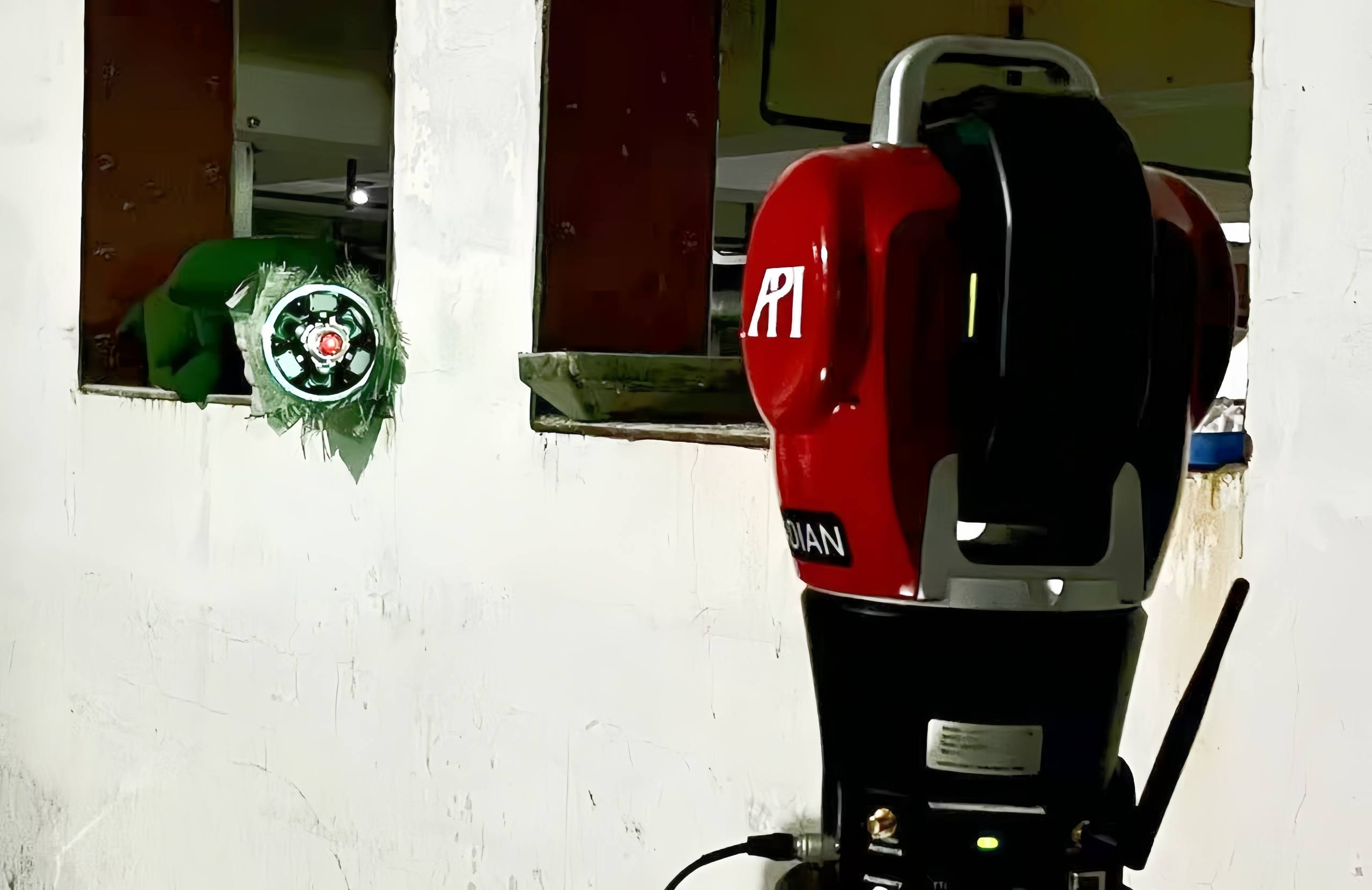
Figure 3: Pipeline Crawling Robot Inspection Site
Implementation of Measurement
For the measurement of the crawling robot's operational accuracy and stability in this case, dynamic measurement of the robot's movement trajectory can be conducted to evaluate its straightness, while comparing it with the parallelism to the pipeline axis.
During measurement, the API laser tracker is first set up at a suitable position at one end of the pipeline to ensure that the laser can pass through the pipeline and cover the inspection path; then, a high-precision target sphere (SMR) is fixed to the end of the crawling robot; subsequently, the laser tracker emits a laser to the center of the target sphere and locks onto it; while the crawling robot moves along the designated path, the tracker continuously tracks and dynamically collects the position of the target sphere's center, feeding it back to the measurement software for subsequent analysis.
Once the data collection of the crawling robot's path is completed, the collected point cloud data can be used in the measurement software to construct a theoretical straight line and evaluate its straightness, followed by a comparison of parallelism with the pre-measured fitted pipeline center axis, ultimately achieving the goal of evaluating the operational position accuracy and stability of the crawling robot.
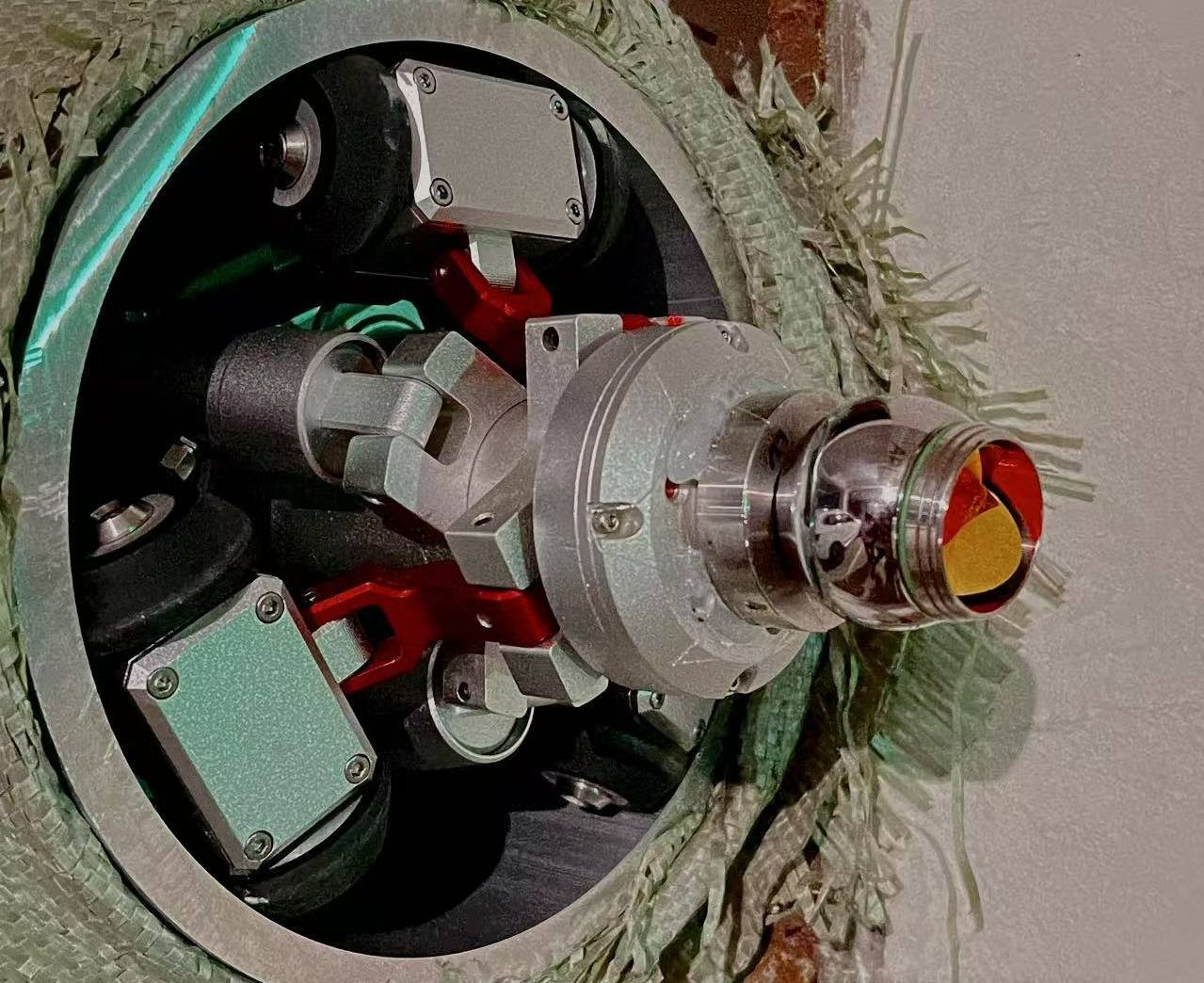
Figure 4: Pipeline Crawling Robot Inspection Site – Layout of Tracker Target Sphere
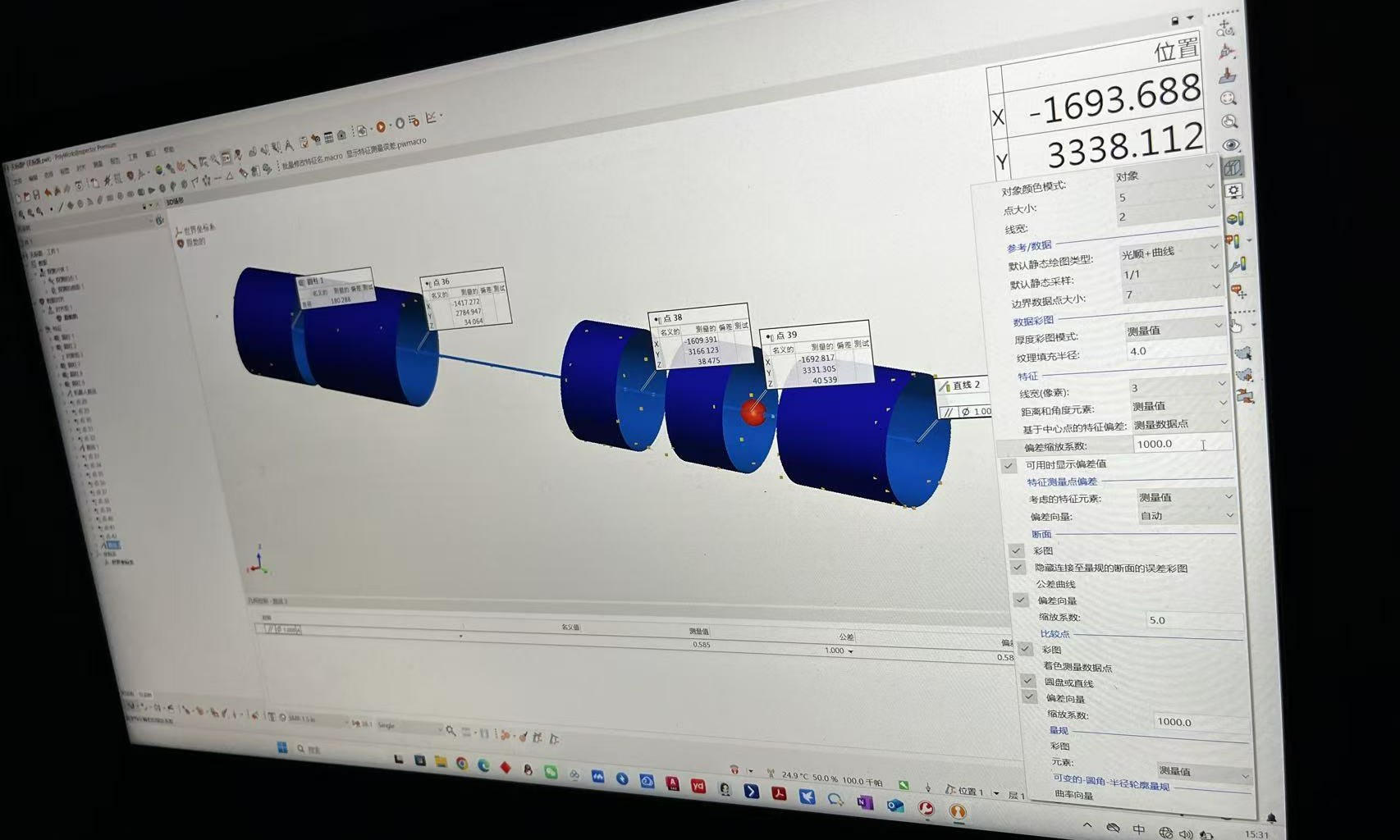
Figure 5: Measurement Data and Analysis
More Extensions
Based on the ultra-high data acquisition rate of the API series laser trackers, in addition to the dynamic measurement and collection of the crawling trajectory of the pipeline crawling robot introduced in this case, API laser trackers can also serve the following scenarios that require high-precision dynamic three-dimensional/six-dimensional data collection:
√ Measurement and monitoring of AGV/AMR trajectories;
√ Measurement and monitoring of UAV trajectories;
√ Dynamic measurement of humanoid/industrial/collaborative/medical robots' trajectories;
√ Dynamic detection of six degrees of freedom platforms (hexapod platforms);
√ Dynamic detection of parallel machine tools;
√ Dynamic performance testing of engineering machinery lifting platforms/cabins and other movable components;
√ Performance testing of construction line marking robots;
√ And more …
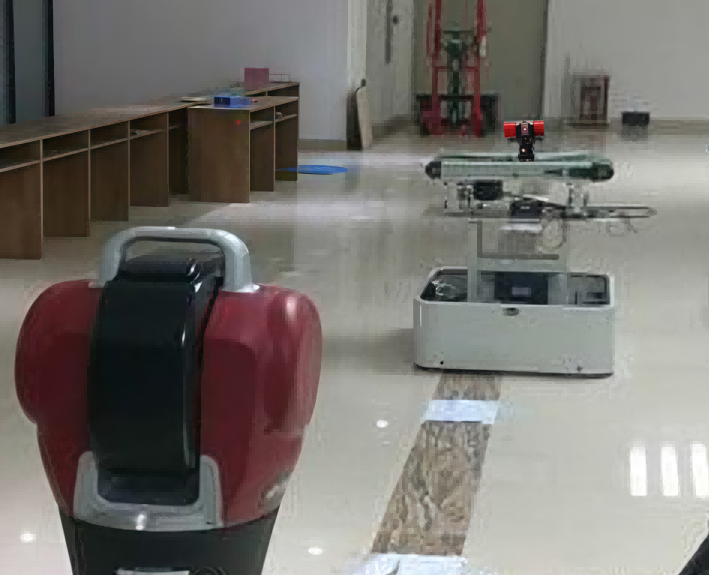
Figure 6: Radian laser tracker AGV dynamic measurement detection site
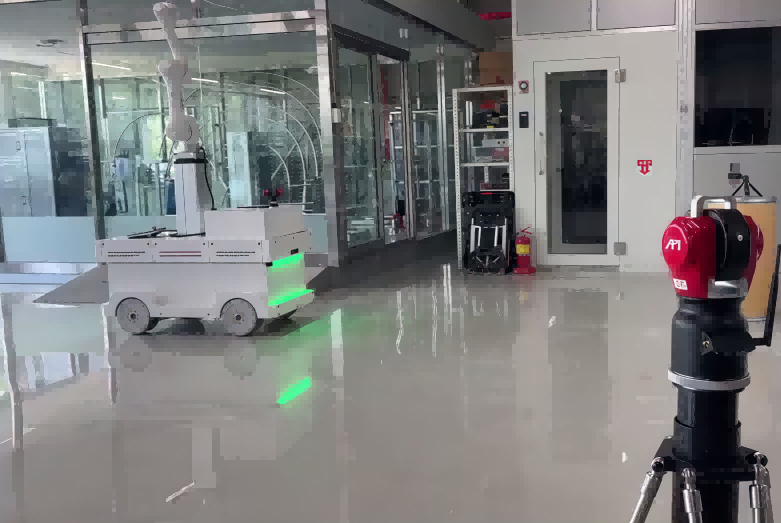
Figure 7: iLTx laser tracker AMR dynamic measurement detection site
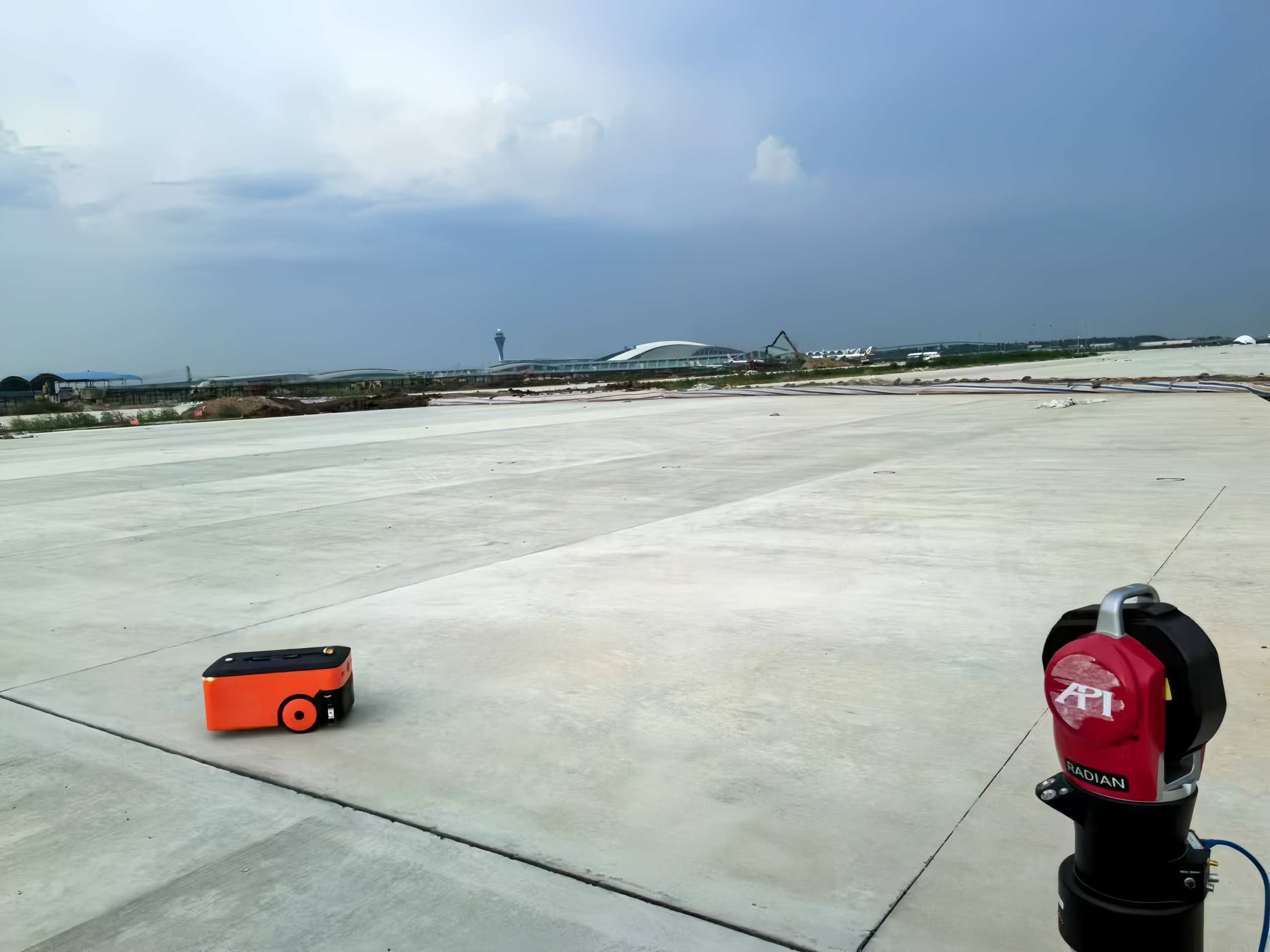
Figure 8: Dynamic detection site of the Radian laser tracker building marking robot
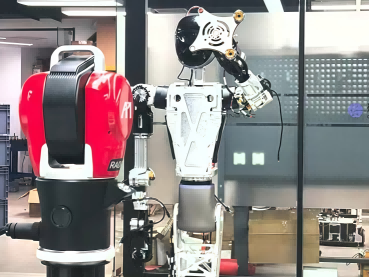
Figure 9: Dynamic trajectory detection site of the Radian laser tracker humanoid robot
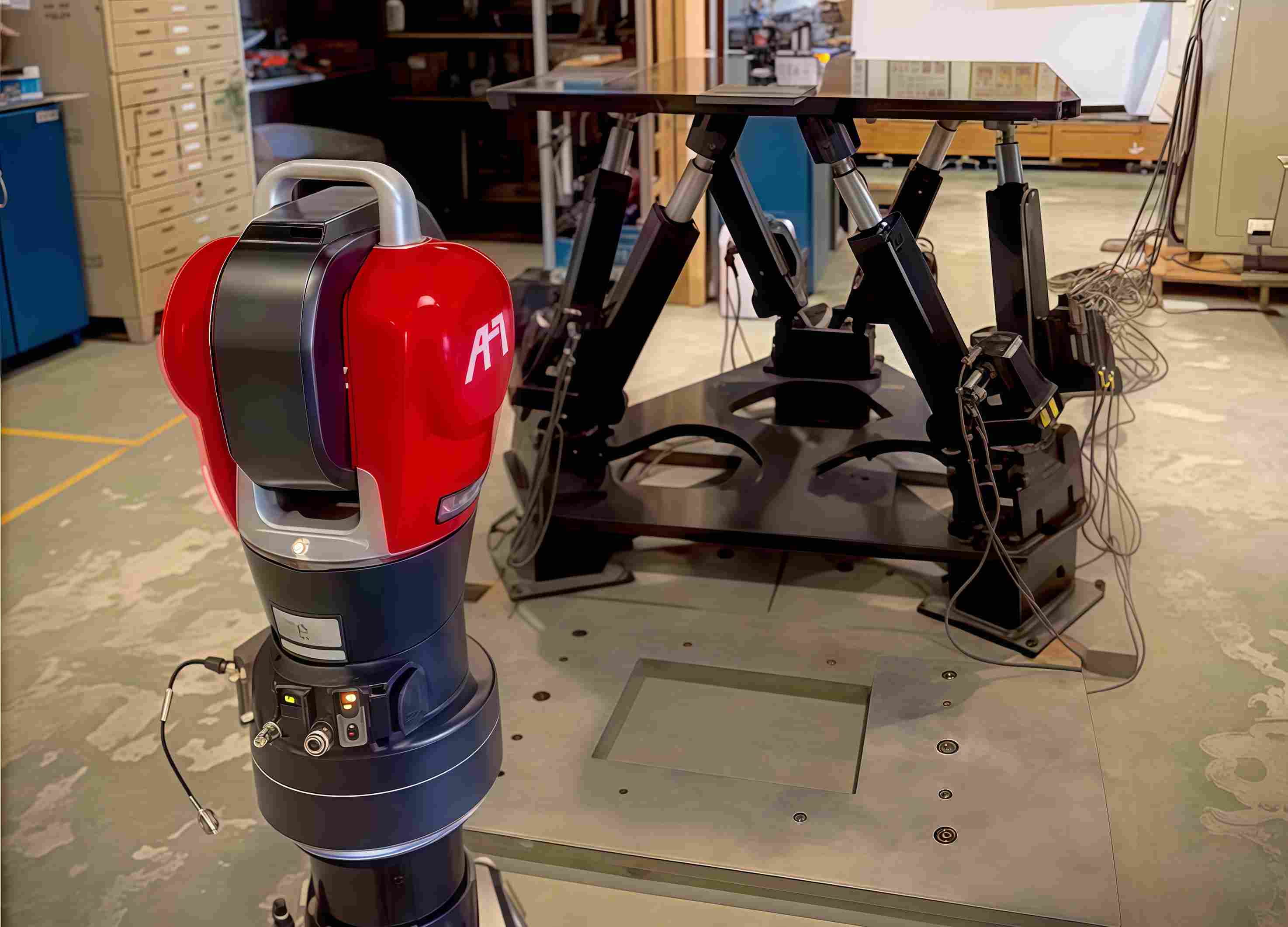
Figure 10: Dynamic measurement detection site of the Radian laser tracker six-degree-of-freedom platform
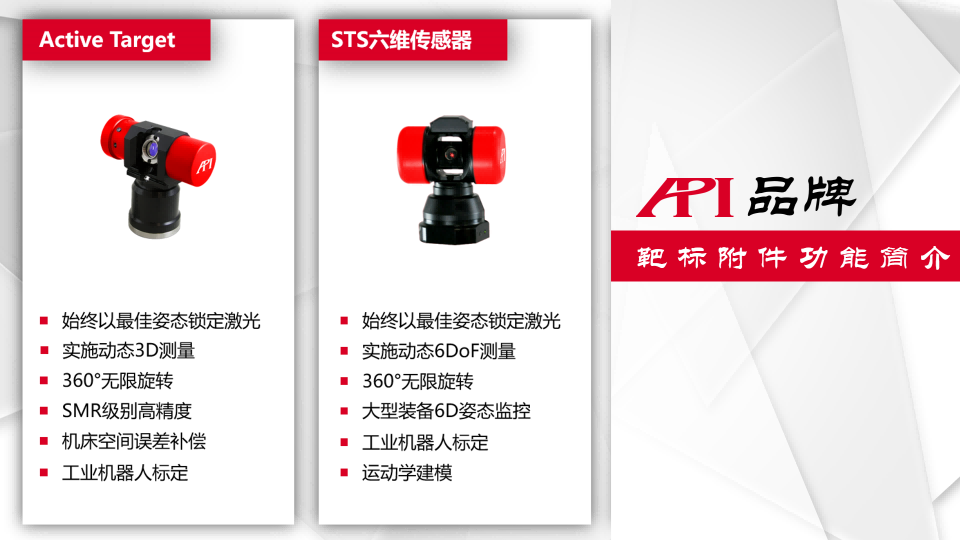
Figure 11: Introduction to the dynamic 3D/6D measurement accessory functions of the API laser tracker
Summary
The API series laser trackers, with their micron-level measurement accuracy, large measurement range, and excellent dynamic measurement capabilities, can easily meet the needs for dynamic 3D/6D data collection in scenarios such as pipeline crawling robots and other fields, making measurement operations more precise and efficient.
Figure 12: API headquarters building
About API
The API brand was founded by Dr. Kam Lau in 1987 in Rockville, Maryland, USA. He is the inventor of the laser tracker and holds multiple patents for globally leading measurement technologies, making him a leader in the field of precision measurement technology. Since its establishment, API has been committed to the research and production of precision measurement instruments and high-performance sensors in the mechanical manufacturing field. Its products are widely used in advanced manufacturing sectors around the world and are at the forefront of high-precision standards in coordinate measurement and machine tool performance testing.
相关新闻:
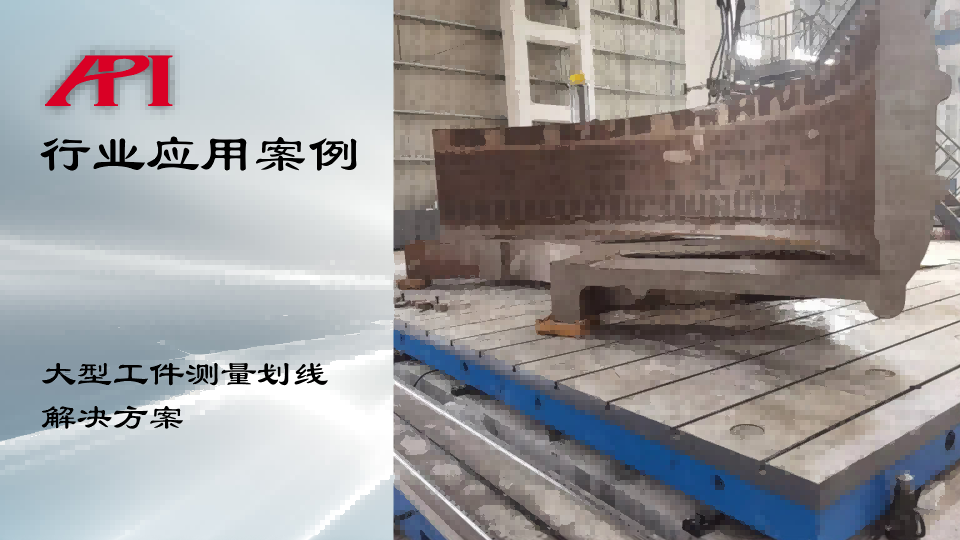
Large Workpiece Measurement and Marking Solutions
About Marking Large WorkpiecesLarge workpieces, due to their enormous size and h
API Laser Tracker Assists Horizon Surgical Systems The team significantly improves robotic precisio
In ophthalmic surgery, every bit of precision is crucial; the challenge for the
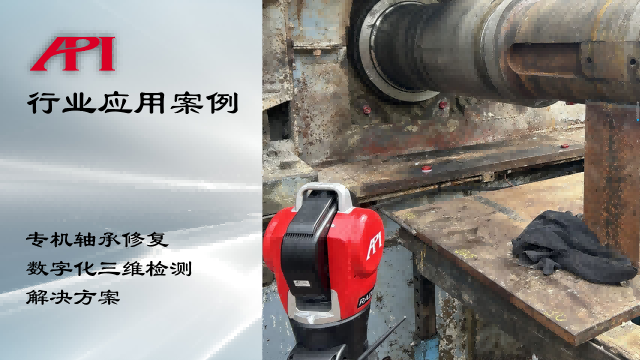
Digital 3D Inspection Solution for Special Machine Bearing Repair API Laser Tracker Application Cas
Background IntroductionA large mining company's crushing special machine has
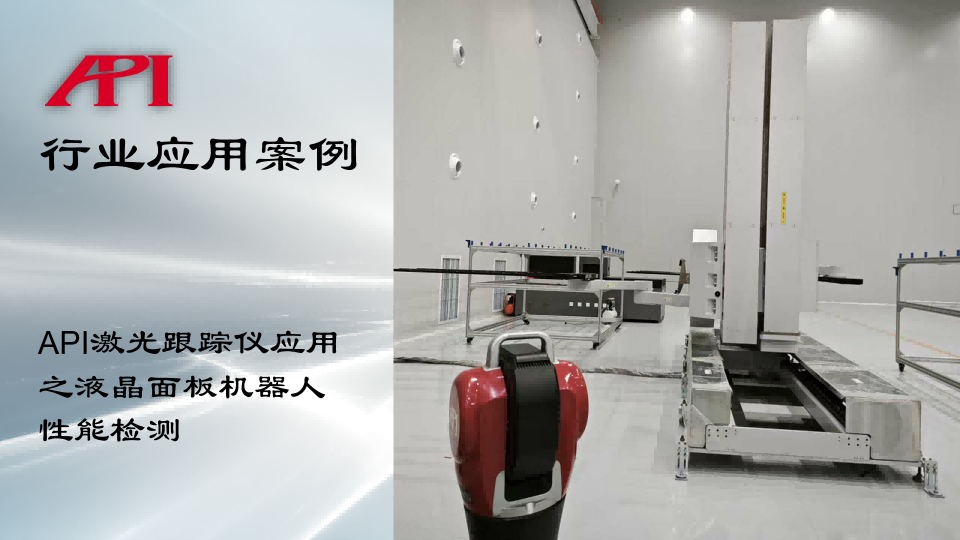
API Laser Tracker Application for LCD Panel Robot Performance Testing
About LCD Panel RobotsThe LCD panel robot is a high-precision clean industrial r
Learn More:
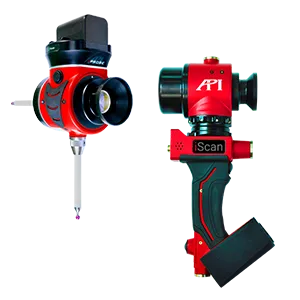
激光跟踪仪靶球&测头
Maximize laser tracker productivity with hand held and 激光跟踪仪主动靶标.
Learn More /laser-tracker-targets
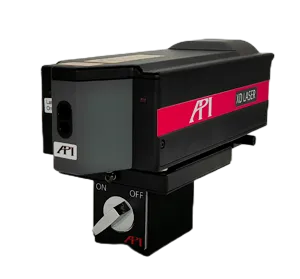
XD Laser CMM Calibration
The XD Laser is the only assessment system that can measure all 6 error parameters simultaneously in a single set-up
Learn More /xd-laser

API Reverse Engineering Service
Reverse engineering services include scan as-built parts to creation of a 3D digital point cloud and CAD Model.
Learn More /reverse-engineering/