


Two-Wheeled Electric Vehicles and Styling Design Requirements
In modern urban transportation, two-wheeled electric vehicles play a vital and indispensable role. Whether it's commuting to work, picking up children, or delivering goods, they demonstrate characteristics such as avoiding traffic congestion on short trips, flexible and convenient usage, and simple, fast operation.
Against the backdrop of continuously rising market demand, major manufacturers have higher requirements for the overall safety and fashionable styling of two-wheeled electric vehicles. More diverse styling designs also impose stricter demands on every stage of manufacturing and processing. Therefore, more advanced machining methods are needed to realize these styling designs and the initial clay model manufacturing.
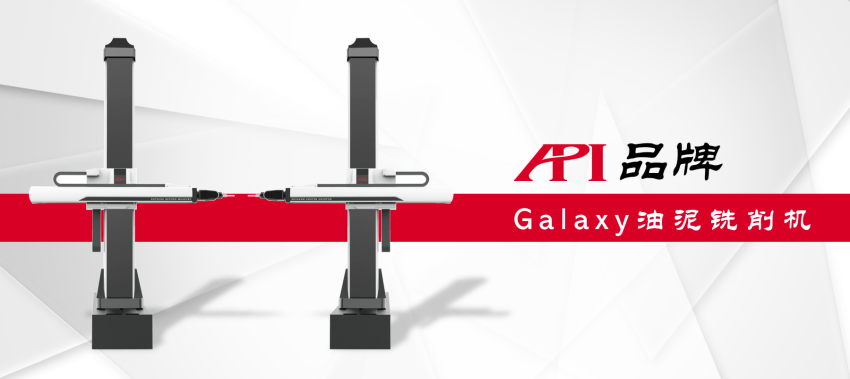
Figure 1: Galaxy Clay Milling Machine
API Styling Design Solution
The API brand Galaxy series clay model milling machine integrates 3D measurement, layout marking, and milling functions into one unit. Adopting excellent industrial design concepts and manufacturing materials, combined with advanced software systems, it empowers styling processes and provides strong support in many aspects of product development:
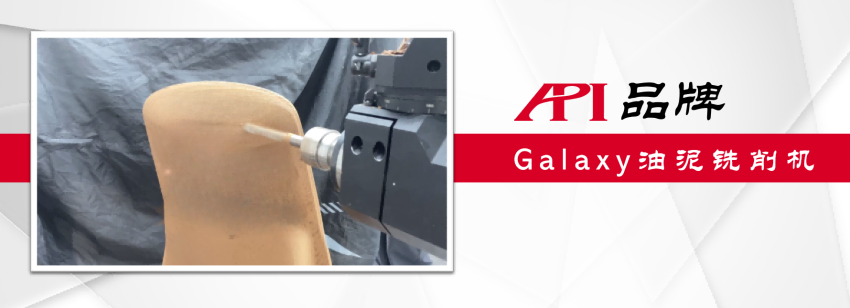
Figure 2: Galaxy Two-Wheeled Electric Vehicle Clay Model Surface Styling Milling Operation
Ensuring Smooth and Fluid Surface Milling
The smoothness and curvature of surface styling often evoke a sense of approachability and speed. Today, a large number of curved elements are applied in the styling design of two-wheeled electric vehicles. The Galaxy clay model milling machine utilizes 5-axis simultaneous machining technology, meeting a wide range of travel including A-axis ±120° and B-axis ±200°, and achieving a repeat positioning accuracy of 15 microns. This ensures complex surfaces fit tightly during machining (the machining head oscillates in real-time, always along the normal direction of the machined surface), completing the transformation of elegant curves from design to reality.
In addition to providing 5-axis simultaneous machining modes, the Galaxy also supports a 15° indexed 3+2 axis machining mode (fully automatic X, Y, Z axes + manual adjustment of A, B axes), satisfying various user needs. (Please refer to Figure 3)
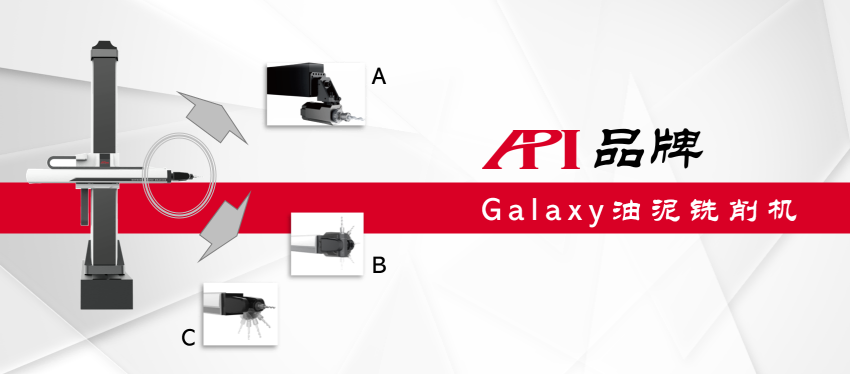
Figure 3: Galaxy Milling Modes (A: 3+2 Axis Milling Head; B & C: 5-Axis Simultaneous Fully Automatic Dual Oscillation Milling Head)
Ensuring Smooth Processing of High-Strength Materials
The Galaxy series clay milling machine features an optimized industrial design frame-structure body, offering high strength and excellent rigidity and stability. Additionally, the Galaxy is equipped with a high-power liquid-cooled spindle, capable of adapting to high-speed, high feed rate, and long-duration machining needs, fully satisfying the smooth milling requirements for clay, foam, balsa wood, and light resins used in implementing electric vehicle styling.
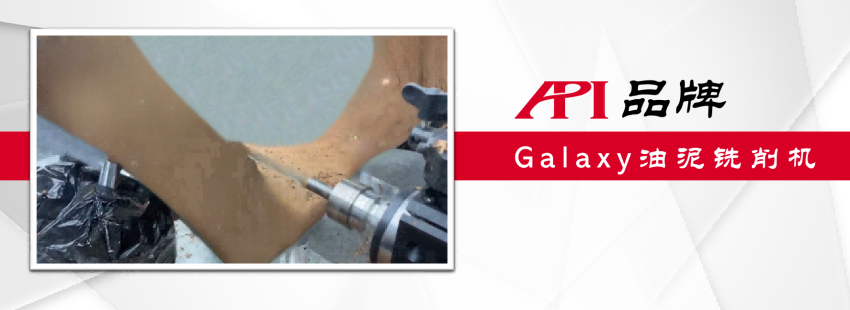
Figure 4: Galaxy Rapid Clay Milling Operation
Ensuring Data Compatibility and Efficient, Fast Processing
During operation, digital model files can be conveniently converted into G-code via CAM software such as UG, PRO/E, and POWERMILL, enabling rapid CNC milling of various materials. With a maximum running speed of up to 20,000 mm/min and a spindle speed of 15,000 rpm, processing becomes convenient, efficient, and fast.
The Galaxy series clay model milling machine can also adopt a dual-machine layout, where dual machines collaborate for machining, doubling efficiency!
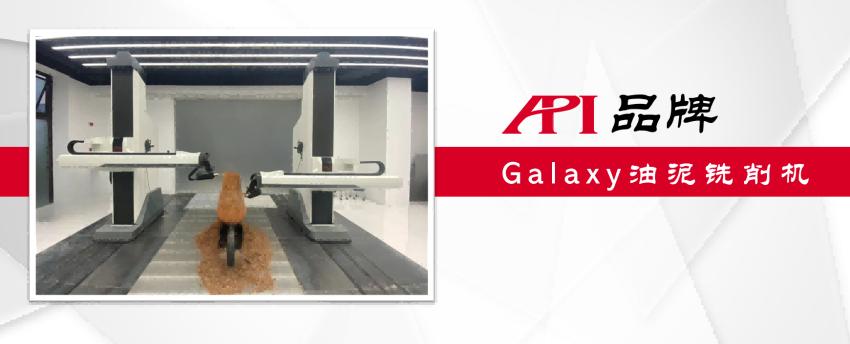
Figure 5: Galaxy Two-Wheeled Electric Vehicle Clay Model Dual-Machine Collaborative Machining Operation
Ensuring high adaptability to user sites
The Galaxy series features professional equipment design that seamlessly integrates with styling studio environments, minimizing its own visual presence while highlighting the workpiece model for optimal review.
In addition to standard sizes, personalized customization is available based on specific user site conditions, ensuring maximum integration with the environment while meeting both functional and aesthetic requirements.
Guaranteeing high-precision application
Every Galaxy series milling machine leaving the factory not only utilizes high-precision guide rails, gears, and other components to ensure top-tier hardware quality but also employs API's patented VEC spatial error compensation technology. This further optimizes 21 parameters of the entire machine to guarantee high-quality machining.
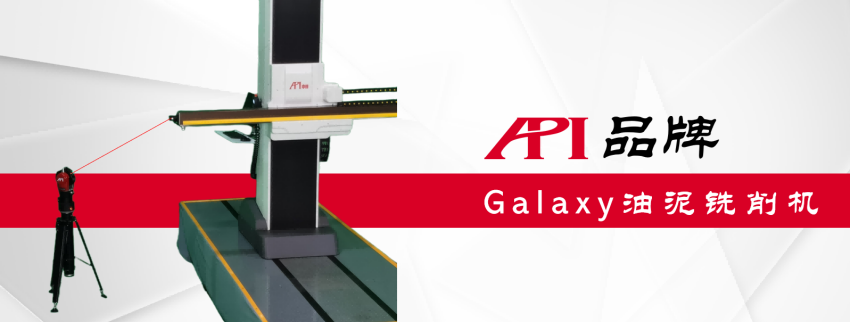
Figure 6: VEC Spatial Error Compensation in Progress
About API
American Precision Engineering (API) was founded in 1987 and is headquartered in Rockville, Maryland, USA. Since its establishment, API has been dedicated to the research, development, and production of precision measuring instruments and high-performance sensors in the field of mechanical manufacturing. Its products are widely applied in advanced manufacturing sectors across the United States and around the world, and the company leads in high-precision standards for coordinate measurement and machine tool performance testing. API boasts a team of experienced and highly capable engineers who continuously develop advanced innovative products to meet the needs of rapidly evolving industrial technologies. In numerous projects involving the U.S. federal government, enterprises, and scientific research, API has been an active participant and a key technical partner. The achievements it has attained to date have earned it a distinguished reputation in the international precision measurement industry.
相关新闻:
Galaxy Clay Milling Machine Application in Styling Design for Two-Wheeled Electric Vehicles
Two-Wheeled Electric Vehicles and Styling Design RequirementsIn modern urban tra
Application of API Laser Tracker in Automotive Production Lines Installation, Positioning, and Adju
Efficiently Meeting User Measurement RequirementsThe end-user in this case is an
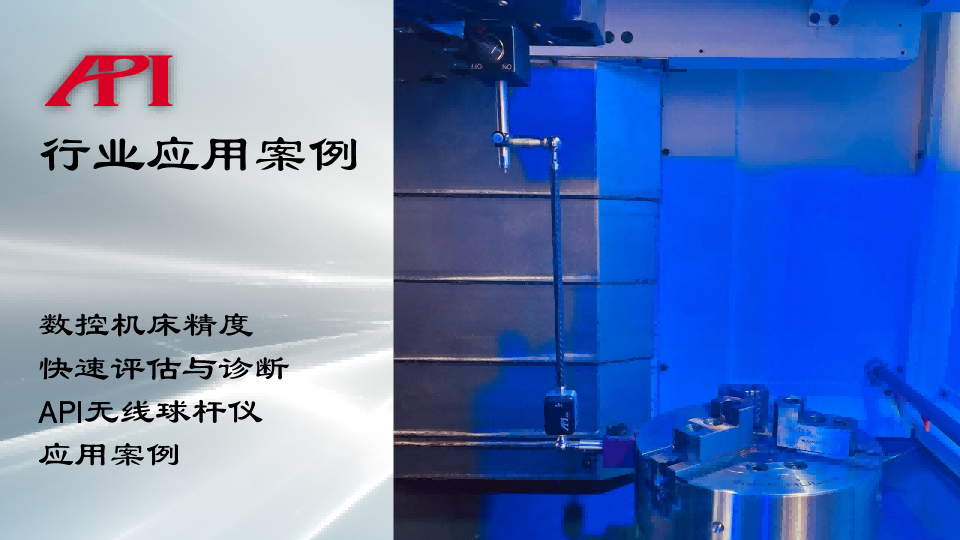
Comprehensive Accuracy Rapid Assessment and Diagnosis of CNC Machine Tools Application Case of API
Regarding Rapid Testing of CNC Machine ToolsTime cost holds significant importan
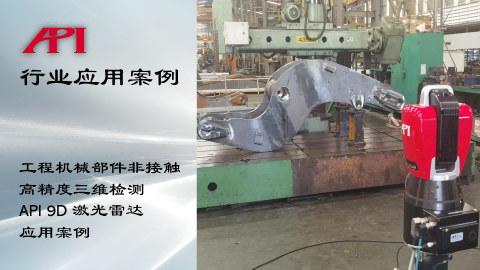
Non-contact High-precision 3D Inspection of Construction Machinery Components API 9D LADAR (9D LiDA
The Importance of 3D Inspection for Construction Machinery ComponentsConstructio
Learn More:
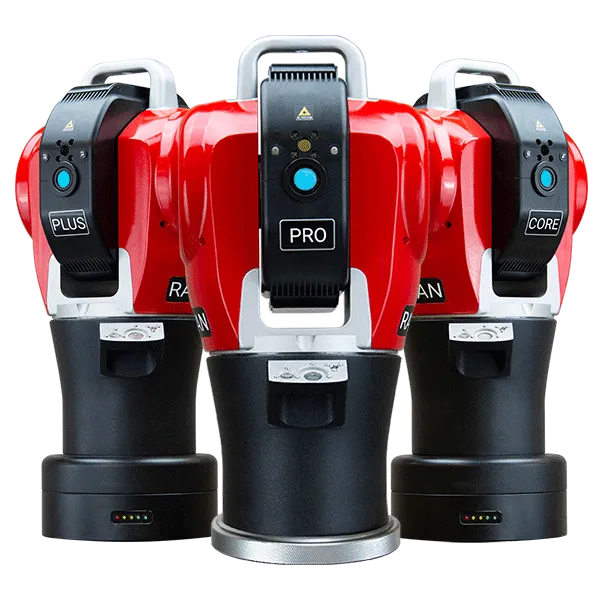
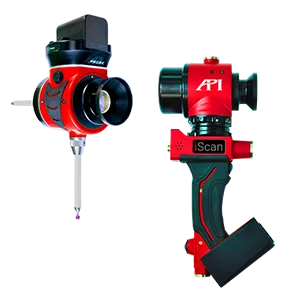
激光跟踪仪靶球&测头
Maximize laser tracker productivity with hand held and 激光跟踪仪主动靶标.
Learn More /laser-tracker-targets
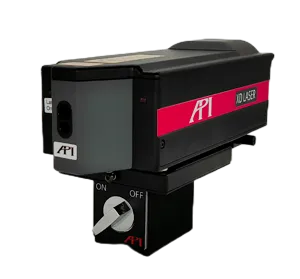
XD Laser CMM Calibration
The XD Laser is the only assessment system that can measure all 6 error parameters simultaneously in a single set-up
Learn More /xd-laser

API Reverse Engineering Service
Reverse engineering services include scan as-built parts to creation of a 3D digital point cloud and CAD Model.
Learn More /reverse-engineering/