


Abstract
The dynamic 9D LiDAR (9D LADAR) from API significantly enhances the efficiency of non-contact detection of vehicle bodies, which was previously based on conventional LiDAR (Laser Radar), demonstrating convincing superior performance in speed, accuracy, flexibility, portability, and repeatability.
Problems Encountered in Production
With the development of human civilization and science and technology, the automotive industry has entered a new stage. To produce better automotive products, the requirements for automotive manufacturing processes continue to rise. Smaller tolerances and higher efficiency are essential elements of current automotive manufacturing processes. According to a report by Frost & Sullivan titled "A Paradigm Shift of In-Line Inspection in Body-in-White," 97% of industry survey respondents believe that improving internal efficiency is a key factor in enhancing industrial manufacturing systems.
One key point is the dimensional inspection process. The industry is promoting the concept of measuring moving vehicle bodies on the assembly line. The introduction of this concept means that hundreds of high-precision measurements will be completed quickly on the production line without delaying its operation. This poses a significant challenge for the inspection process.
Frost & Sullivan's analysis of dimensional measurement systems indicates that LiDAR (Laser Radar) technology is the "best-in-class" technology for providing online inspection of vehicle bodies. They state: "LiDAR (Laser Radar) is a fully automated, multifunctional system that introduces non-contact measurement into the production line. The system can operate without targets while performing measurements with high precision. This is an innovative approach that has good measurement capabilities for surfaces and feature details, fulfilling all dimensional inspection needs for vehicle bodies. The LiDAR (Laser Radar) measurement system has advantages over traditional coordinate measuring machines (CMM) or other measuring devices, especially in terms of convenience and efficiency."
API has always closely monitored the latest concepts and goals for online inspection of vehicle bodies in the industry. Through extensive surveys and communications within the industry, it has been concluded that the current LiDAR (Laser Radar) measurement technology cannot fully achieve the highest goals of online inspection. Consequently, based on nearly 40 years of experience in high-performance sensors and high-precision dimensional measurement, and specifically addressing the actual needs of the industry, API has developed a new dynamic 9D LiDAR (9D LADAR), which has significantly improved in accuracy, efficiency, flexibility, and repeatability compared to traditional LiDAR (Laser Radar), providing automotive manufacturers with measurement solutions that are closer to the highest manufacturing standards in the industry.
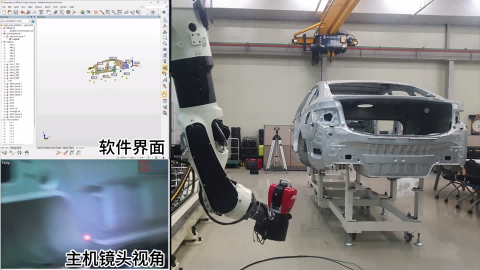
Figure 1: API 9D LiDAR Automotive Production Integration Application Site
Breakthrough Dimensional Measurement Solutions
The API brand 9D laser radar (9D LADAR) utilizes Optical Frequency Chirping Interferometry (OFCI) technology, which is suitable for non-contact precision measurement of workpieces or targets in various environments and complex working conditions such as workshops, laboratories, and outdoors. It boasts extremely high measurement accuracy and exceptional measurement efficiency, allowing for rapid capture of workpiece dimensions and surface geometric data.
Based on OFCI technology, the 9D laser radar generates broad-spectrum optical interference, detects interference signals, and collects measurement data during operation. Its sensitivity is over 100 times greater than that of conventional laser radars, thus providing higher measurement accuracy and better measurement efficiency compared to conventional laser radars. The 9D laser radar offers micron-level measurement accuracy, a data acquisition rate of 20kHz, and is less susceptible to external environmental influences during measurement, effectively avoiding issues commonly faced by conventional laser radars, such as significant impact from material reflectivity, limited incident angle range, and susceptibility to environmental noise.
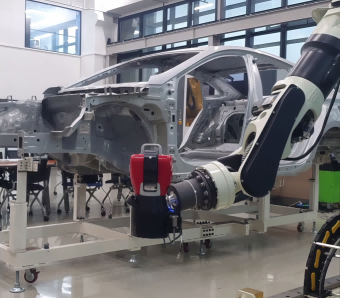
Figure 2: A PI 9D Laser Radar Automotive Production Integration Application Site
Technical improvements of 9D laser radar compared to conventional laser radar
1. Speed: 9D laser radar (9D LADAR) collects measurement data at a speed of 20,000 points per second, with a scanning speed of 0.2 seconds/cm². In contrast, conventional laser radar (Laser Radar) has a maximum data collection rate of only 1,000 points/second and a fastest scanning speed of 1 second/cm².
2. Accuracy: The 3D measurement accuracy of 9D laser radar is 25μm + 6μm/m, while the 3D accuracy of conventional laser radar is 20μm + 14.5μm/m.
3. Flexibility: 9D laser radar has a horizontal rotation range of ±320° and an incident angle of ≥85°; conventional laser radar typically only has a horizontal rotation range of ±180° and an incident angle of 45°.
4. Portability: 9D laser radar is compactly designed with an integrated control box, weighing only 10.4 kilograms; conventional laser radar often weighs around 30 kilograms and comes with an additional external control box. In terms of size, 9D laser radar is also more compact than conventional laser radar, making it easier to load onto industrial robots and gantry coordinate measuring machines or integrate into production lines.
5. Repeatability: The average repeatability error of 9D laser radar is 35μm, while that of conventional laser radar is 150μm.
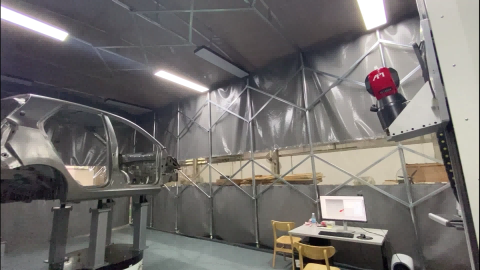
Figure 3: A PI 9D Laser Radar Automotive Production Integration Application Site
Solving the problems encountered by conventional laser radar in production
In actual production, measuring a white car body often requires hundreds of necessary detection points. However, due to the limitations of its own functions and characteristics, conventional laser radar (Laser Radar) cannot achieve the ideal measurement results in certain stages. The advent of 9D laser radar (9D LADAR) has overcome the problems encountered by conventional laser radar in actual production in the following aspects:
Question 1: In measurements, conventional laser radars must reposition themselves relative to the white body every time they move, which makes the positioning process cumbersome and requires frequent cooperation with scanning "positioning balls" to achieve accurate measurements on the target white body. In contrast, the 9D laser radar simplifies this cumbersome positioning process significantly, even eliminating the need for positioning balls (with the Radian laser tracker providing real-time precise positioning).
Question 2: The biggest issue with conventional laser radar technology is the scanning speed. Current conventional laser radar systems have a scanning speed of only 1,000 points per second, while the API 9D laser radar can achieve a scanning speed of 20,000 points per second, effectively addressing the slower relative measurement speed of conventional laser radars.
Question 3: Incident angle capability. Current conventional laser radar systems can achieve precise measurements at an incident angle of 45°; however, the 9D laser radar can accurately measure parts with incident angles exceeding 85°. This means that compared to conventional laser radars, the 9D laser radar can measure the same amount of data with less movement.
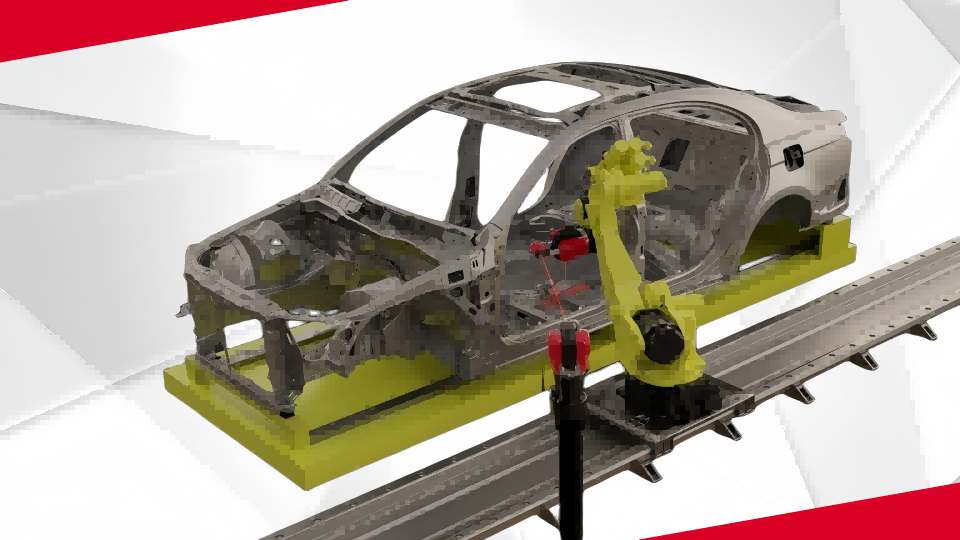
Figure 4: API 9D laser radar white body measurement operation based on real-time precise positioning with the Radian laser tracker.
9D laser radar and 6-degree-of-freedom laser tracker joint solution.
For operations requiring extreme measurement accuracy, a solution combining the API-branded 9D laser radar with the Radian laser tracker can be used (as shown in Figure 3). This utilizes the efficient, non-contact scanning capabilities of the 9D laser radar to obtain a large amount of point cloud data while the Radian laser tracker provides real-time tracking and positioning for the 9D laser radar. In this way, a large amount of point cloud data is obtained quickly and efficiently, while also achieving infinitely precise robot posture, truly achieving the perfect balance of extreme precision and high efficiency.
Conclusion
With faster scanning speeds, a wider range of incident angles, and higher data sampling rates, using API 9D LADAR for white body measurement tasks can improve work efficiency by four times or more compared to conventional Laser Radar. When extreme measurement accuracy is required, it can also be combined with the API Radian laser tracker for global real-time tracking and scanning measurements, ensuring high-quality and high-standard measurements while providing an ultimate guarantee of measurement accuracy.
More demonstrations of 9D LADAR applications in automotive production:
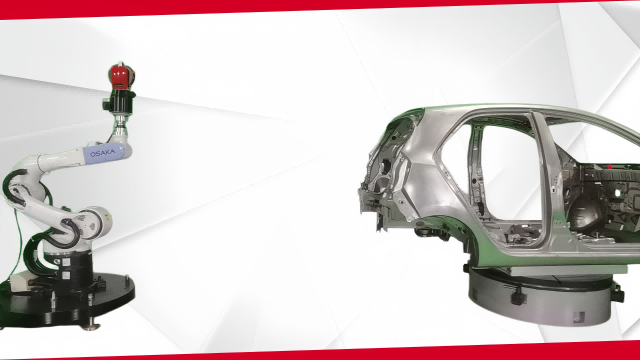
Figure 5
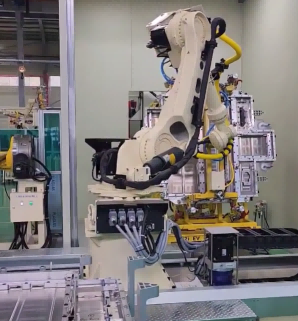
Figure 6
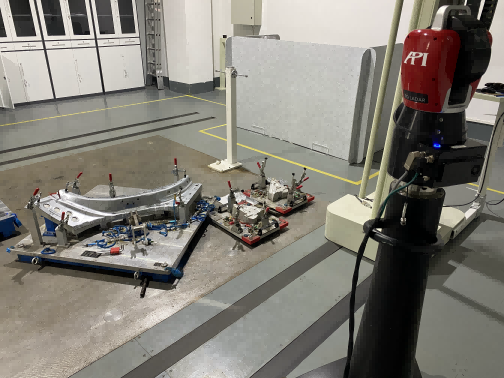
Figure 7
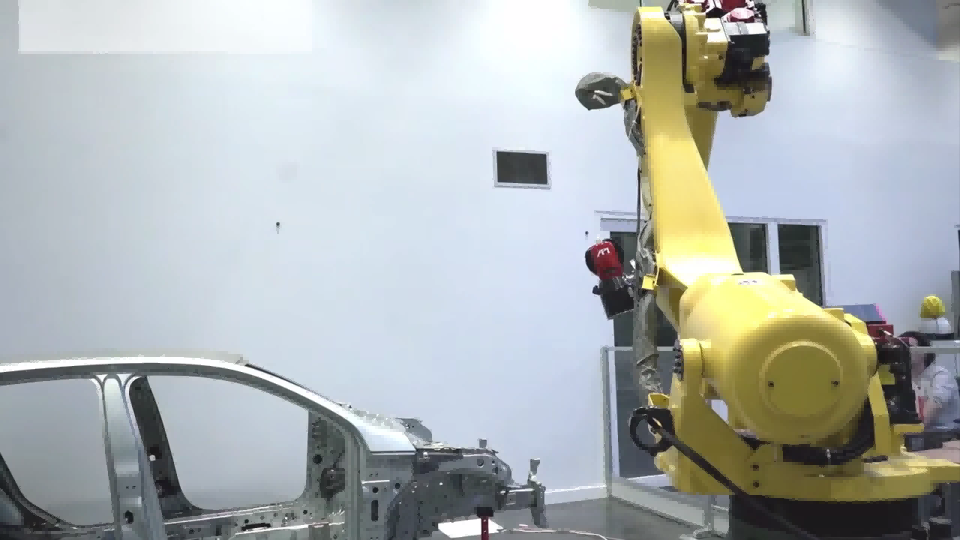
Figure 8
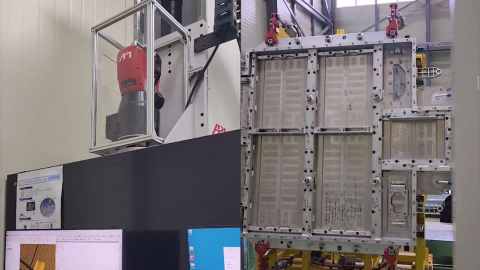
Figure 9
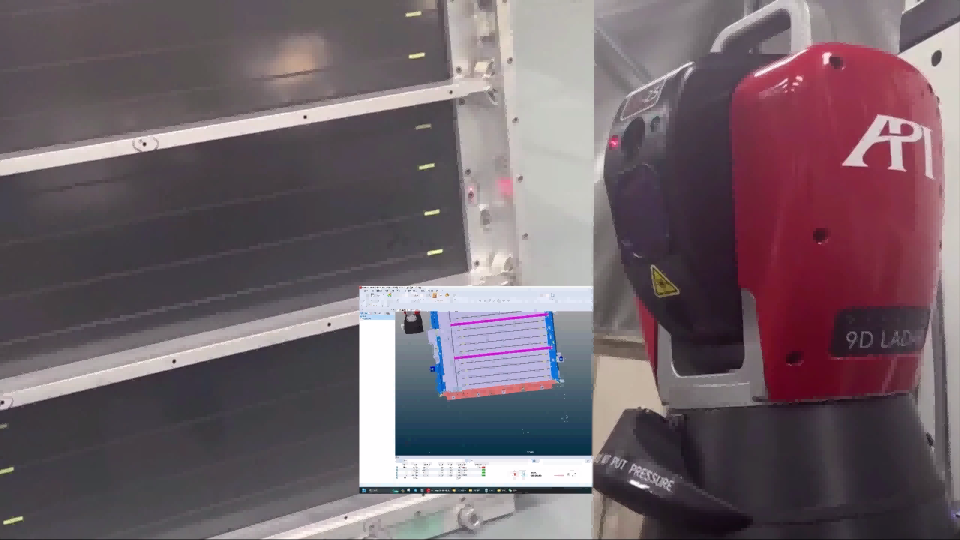
Figure 10
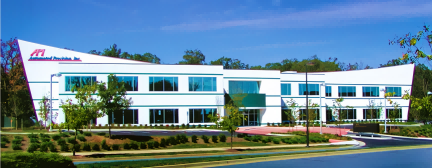
Figure 11: API Company Headquarters Building
About API
The API brand was founded by Dr. Kam Lau in 1987 in Rockville, Maryland, USA. He is the inventor of the laser tracker and holds multiple patents in globally leading measurement technologies, making him a leader in the field of precision measurement technology. Since its establishment, API has been committed to the research and production of precision measuring instruments and high-performance sensors in the mechanical manufacturing field. Its products are widely used in advanced manufacturing sectors around the world and are at the forefront of high-precision standards in coordinate measurement and machine tool performance testing.
相关新闻:
Surgical Robot Calibration and Accuracy Enhancement API Laser Tracker Application Solution
About Surgical RobotsWith the leapfrog development of modern manufacturing, robo

Yacht Maintenance 3D Measurement Solution API Laser Tracker Application Case
The Importance of Regular Yacht Maintenance and InspectionFor yachts, whether su
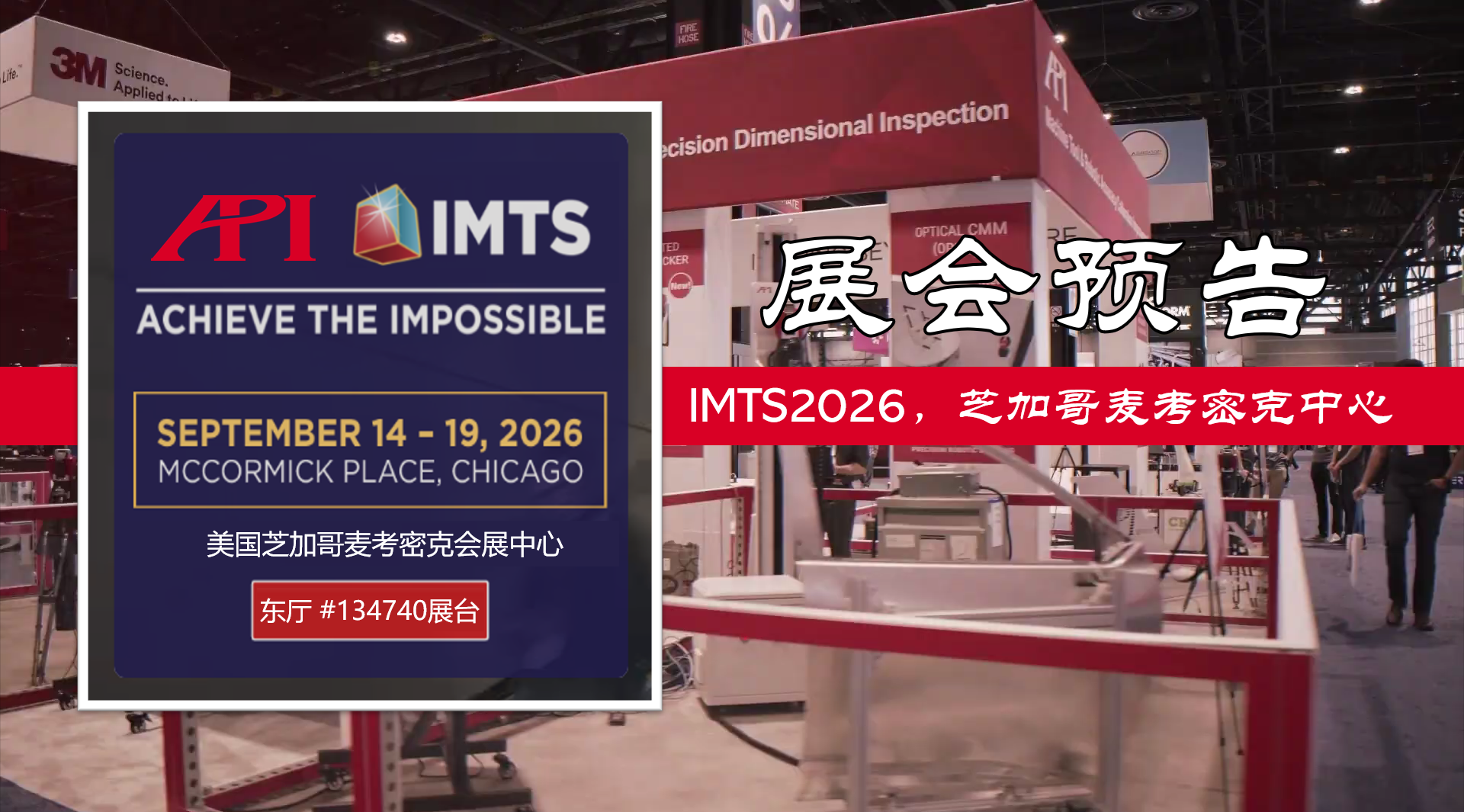
API exhibition preview: IMTS2026
API brand will participate in the IMTS2026 exhibition, which will be held at McC
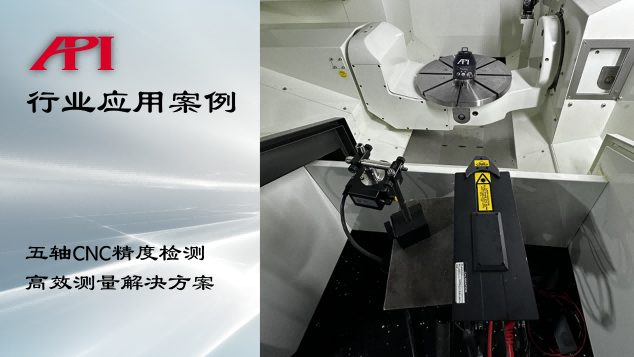
Efficient Measurement Solution for 5-Axis CNC Precision Inspection
5-Axis CNC and Precision InspectionWith the rapid development of CNC machine too
Learn More:
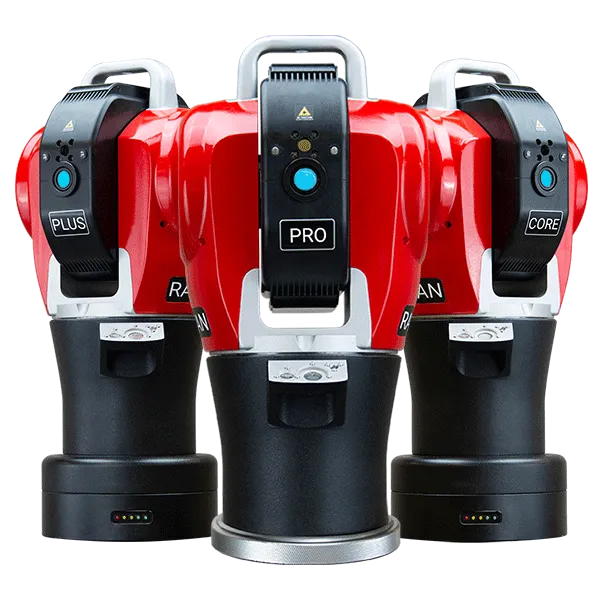
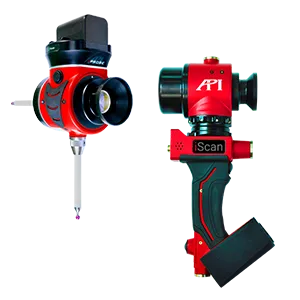
激光跟踪仪靶球&测头
Maximize laser tracker productivity with hand held and 激光跟踪仪主动靶标.
Learn More /laser-tracker-targets
XD Laser CMM Calibration
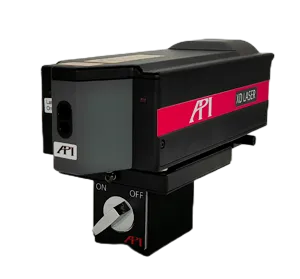
The XD Laser is the only assessment system that can measure all 6 error parameters simultaneously in a single set-up
Learn More /xd-laser

API Reverse Engineering Service
Reverse engineering services include scan as-built parts to creation of a 3D digital point cloud and CAD Model.
Learn More /reverse-engineering/