


In ophthalmic surgery, every bit of precision is crucial; the challenge for the Horizon Surgical Systems team is to use robots to perform high-precision eye surgeries. By using the API laser tracker for robot calibration, the team has increased the precision of the surgical robot by 5 to 10 times.Let's take a look at how they achieved this goal:
Horizon Surgical Systems and Ophthalmic Surgical Robots
The Horizon Surgical Systems team is developing a surgical robot for ophthalmology, with its first application direction being cataract surgery. The company was initially founded by a research team from the University of California, Los Angeles (UCLA), which is dedicated to conducting research related to surgical robots, focusing on identifying key anatomical structures in surgical images and using this data to guide the robot in performing surgical operations.
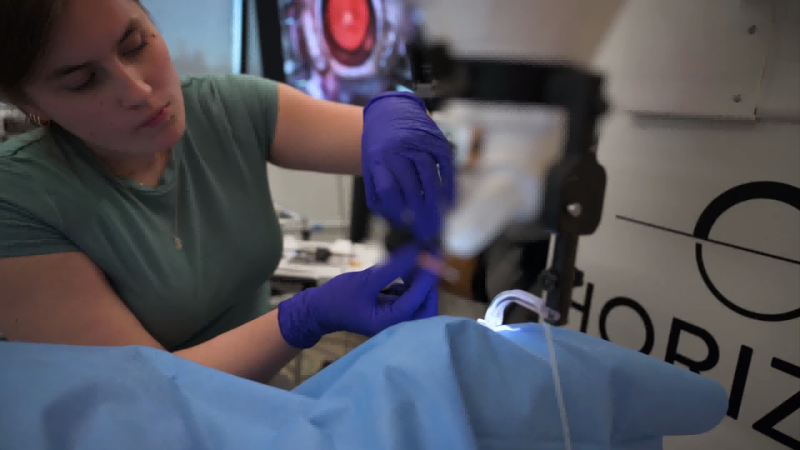
Figure 1: The ophthalmic surgical robot from the Horizon Surgical Systems team
Challenge: In ophthalmic surgery, every micron is critical
In many surgeries, including orthopedic and soft tissue surgeries, the precision of the human hand is already sufficiently high. As the Horizon team puts it, orthopedic surgery is somewhat like carpentry: a millimeter of error is something that bones can grow and fill over time.
However, there is no such margin for error in ophthalmic surgery. Precision is one of the core capabilities of any surgical robot, and every millimeter is crucial when performing eye surgery. To safely complete any type of ophthalmic surgery, the robot must be as precise as possible.
This brought a severe engineering challenge: the Horizon team needed a method to measure the manufacturing and assembly differences generated from one robot to the next. Without accurately obtaining this difference data, the robots might not achieve the precision levels required by the process.
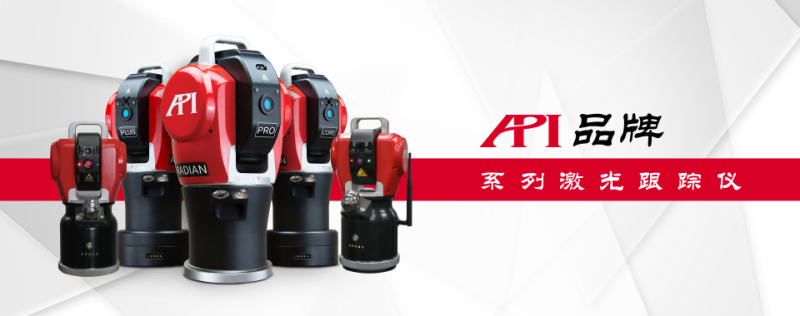
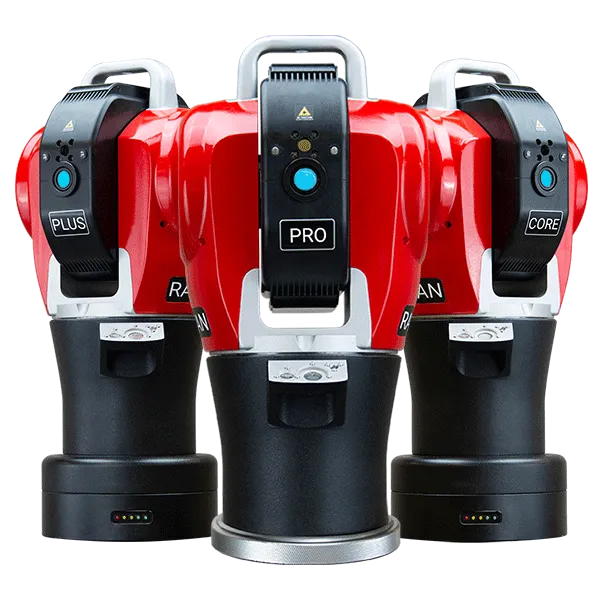
Figure 2: API brand series laser trackers (Radian series and iLT series)
Solution: API laser tracker with MATLAB SDK
The Horizon team sought metrology solutions from Automated Precision Inc. (API). API's laser trackers can provide the measurement data needed by the Horizon team, with precision sufficient to help each robot reach its full potential.
There are two reasons for choosing API. The first is technical: API offers a MATLAB toolbox interface that can be directly integrated into the Horizon team's workflow. The second is good communication and quality service - the Horizon team established a close relationship with their API representative, who was always willing to provide the necessary support to help them solve problems.
Since Horizon adopted a truly unique system, developing its own software framework was crucial. The API SDK is flexible enough to build this framework on, helping the team complete software development in a short time and collect all the required measurement data.
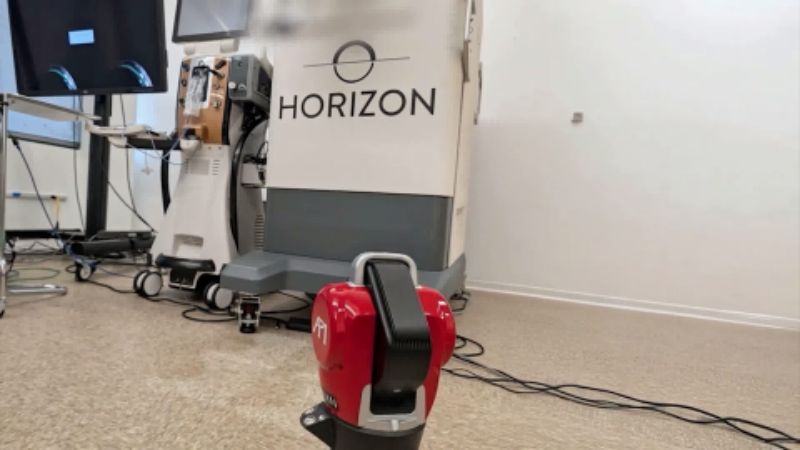
Figure 3: API Radian laser tracker performing measurement calibration tasks on the Horizon ophthalmic surgical robot
Result: Accuracy improved by 5 to 10 times
By using the API laser tracker for robot calibration, the Horizon team successfully increased the precision of the surgical robot by 5 to 10 times. For a robot designed to operate inside the human eye, this improvement means moving from a promising prototype to a viable surgical platform.
Dr. Jacob Rosen, Chief Technology Officer of the Horizon Surgical System team, said: “The word ‘exceed’ is far from enough. For any system that requires high precision and accuracy, whether robotic or not, I would choose API.”
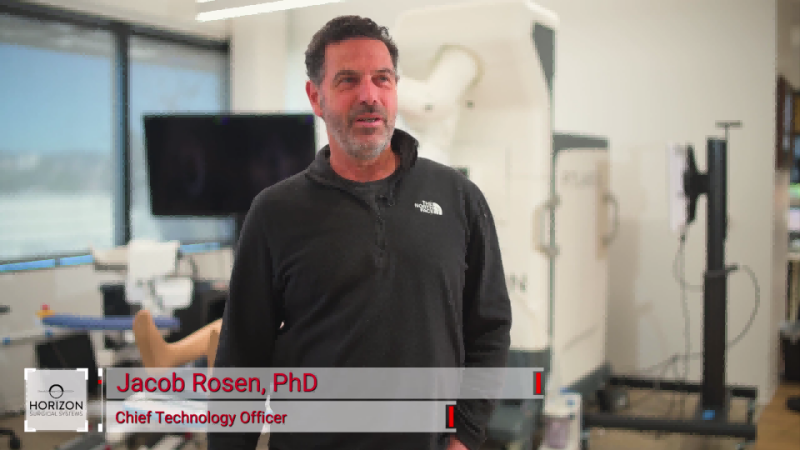
Figure 4: Dr. Jacob Rosen, Chief Technology Officer of Horizon Surgical Systems, being interviewed
About API
The API brand was founded by Dr. Kam Lau in 1987 in Rockville, Maryland, USA. He is the inventor of the laser tracker and holds multiple patents in globally leading measurement technologies, making him a leader in the field of precision measurement technology. Since its establishment, API has been dedicated to the research and production of precision measuring instruments and high-performance sensors in the mechanical manufacturing sector. Its products are widely used in advanced manufacturing fields around the world and are at the forefront of high-precision standards in coordinate measurement and machine tool performance testing.
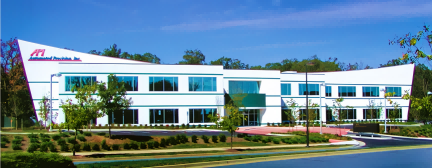
Figure 5: API Company Headquarters Building
相关新闻:
High-precision 3D Inspection of Fixed Components in Large Hydraulic Equipment API Laser Tracker App
The Importance of High-precision 3D Inspection for Fixed Components of Large Hyd
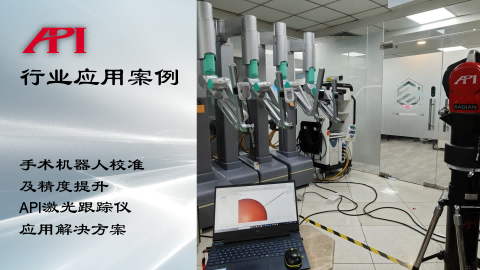
Surgical Robot Calibration and Accuracy Enhancement API Laser Tracker Application Solution
About Surgical RobotsWith the leapfrog development of modern manufacturing, robo

Yacht Maintenance 3D Measurement Solution API Laser Tracker Application Case
The Importance of Regular Yacht Maintenance and InspectionFor yachts, whether su

API exhibition preview: IMTS2026
API brand will participate in the IMTS2026 exhibition, which will be held at McC
Learn More:
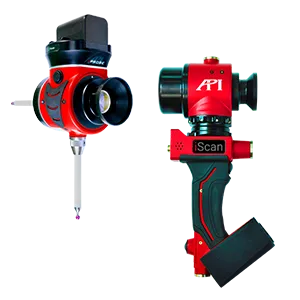
激光跟踪仪靶球&测头
Maximize laser tracker productivity with hand held and 激光跟踪仪主动靶标.
Learn More /laser-tracker-targets
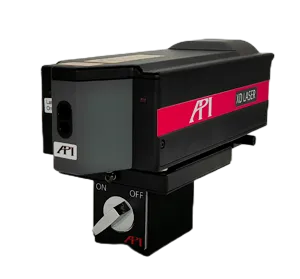
XD Laser CMM Calibration
The XD Laser is the only assessment system that can measure all 6 error parameters simultaneously in a single set-up
Learn More /xd-laser

API Reverse Engineering Service
Reverse engineering services include scan as-built parts to creation of a 3D digital point cloud and CAD Model.
Learn More /reverse-engineering/