


About Surgical Robots
With the leapfrog development of modern manufacturing, robots have been applied to all aspects of our daily lives, leading to higher demands for their manufacturing and use. Currently, robotic operations are developing towards high-precision applications, such as self-learning, visual control, and simulation-based offline programming replacing teach-in programming, all of which impose stricter requirements on robot pose accuracy. Medical robots, especially surgical robots (such as needle holders, grippers, surgical scissors, biopsy needles, drill bits, etc.), as cutting-edge products in the field of robotics, have extremely stringent precision requirements; therefore, testing medical robots has become crucial.
Testing Requirements for Surgical Robots
The surgical robot described herein consists of several rigid links connected by rotating or moving joints, forming an open-joint chain; one end of the open chain is fixed to a base, while the other end is free and equipped with an end-effector. During operation, the end-effector at the front of the robot arm must be positioned and oriented appropriately relative to the workpiece being machined, and these positions and orientations are synthesized from the movements of multiple arm joints. Since the inertial forces and gravitational loads of the robot manipulator vary with changes in the motion space, ensuring the robot's high precision, high speed, and high dynamic quality requires performance testing to evaluate its various indicators.
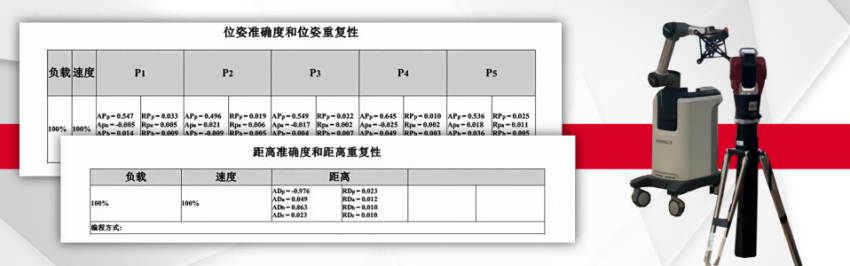
Figure 1: API Laser Tracker Calibration Site for Robotic Operations & Data Report
A PI Testing Solution
API has developed an effective evaluation and testing solution covering various performance metrics of medical robots, including: pose accuracy and repeatability, multi-directional pose accuracy variation, distance accuracy and repeatability, position settling time and overshoot, pose drift characteristics, interchangeability, trajectory accuracy and repeatability, reorientation trajectory accuracy, corner deviation, trajectory velocity characteristics, minimum positioning time, static compliance, and swing deviation. These 14 performance tests can all be implemented using API brand Radian or iLT series laser trackers combined with RMS software.
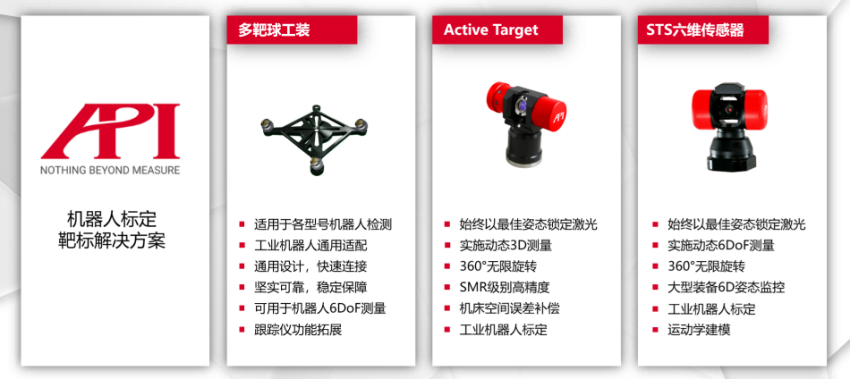
Figure 2: Laser Receiving Device Fixed at the End of the Robot
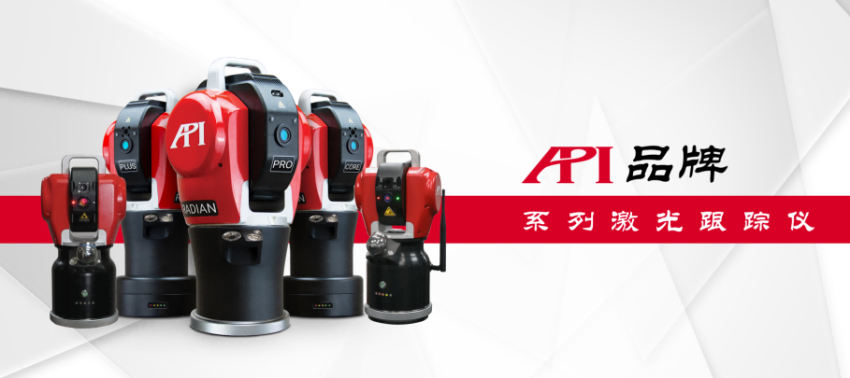
Figure 3: API Series Laser Trackers
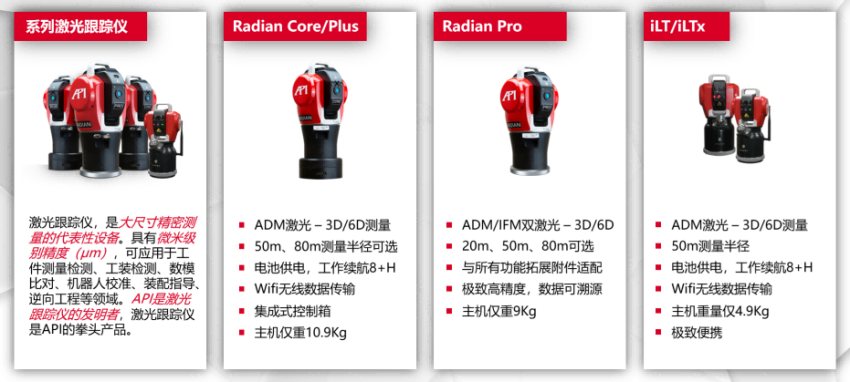
Figure 4: Introduction to Various Models of API Laser Trackers
Precise Measurement Derived from Laser Trackers
During testing, simply deploy the appropriate laser receiving device at the robot's end based on requirements, activate the laser tracker, and it will automatically complete the full set of testing and evaluation processes.
The laser tracker emits a laser beam, locking onto the center of a target sphere (or target) fixed at the end of the actuator. As the medical robot moves within its operational range, the laser tracker records trajectory coordinates in real-time and feeds them back to the RMS software in the PC for data analysis and evaluation.
By comparing the robot's actual movement position with its theoretical position, motion deviations can be obtained, allowing for compensation针对 these deviations.
Summary
The Radian and iLT series laser trackers offer micrometer-level (1/1000mm) measurement accuracy, excellent dynamic and static measurement performance, flexible installation methods, and convenient human-machine interaction... The application of API series laser trackers provides strong assurance for the precision of high-end medical robots.
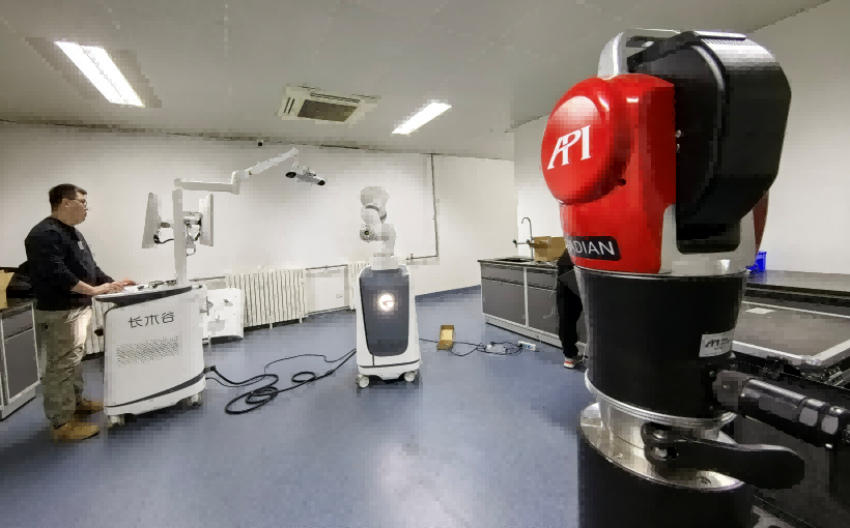
Figure 5: API Laser Tracker Testing Site for Surgical Robots
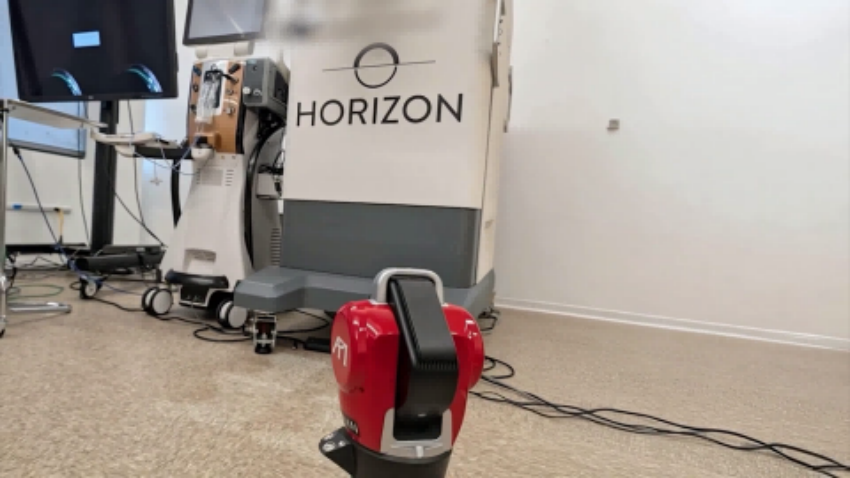
Figure 6: API Laser Tracker Testing Site for Surgical Robots
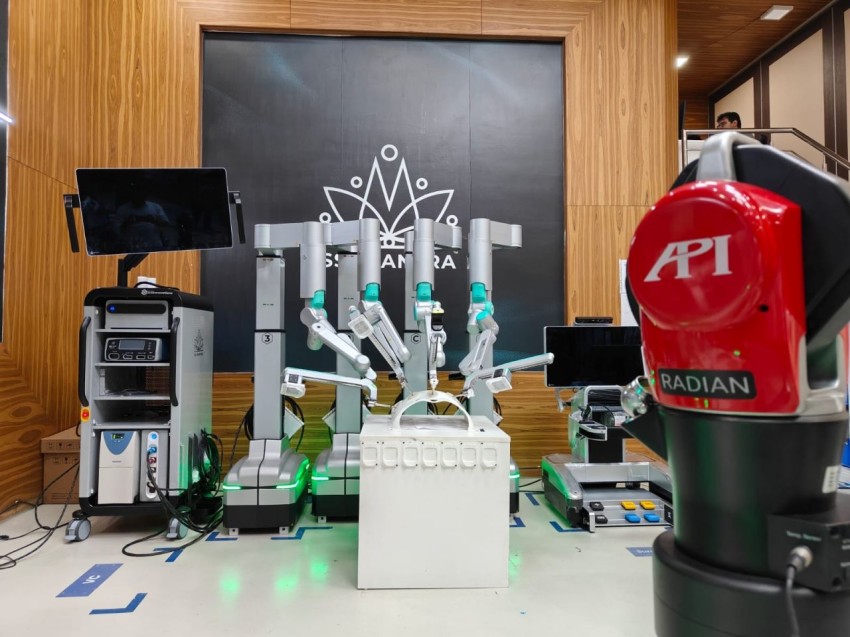
Figure 7: API Laser Tracker at the Surgical Robot Test Site

Figure 8: API Corporate Headquarters Building
About API
The API brand was founded by Dr. Kam Lau in Rockville, Maryland, USA in 1987. As the inventor of the laser tracker and holder of multiple patents for globally leading measurement technologies, API is a leader in the field of precision measurement technology. Since its establishment, API has been dedicated to the research, development, and production of precision measuring instruments and high-performance sensors for the machinery manufacturing industry. Its products are widely used in advanced manufacturing sectors worldwide, and the company holds a leading position in high-precision standards for coordinate measuring and machine tool performance testing.
相关新闻:
Surgical Robot Calibration and Accuracy Enhancement API Laser Tracker Application Solution
About Surgical RobotsWith the leapfrog development of modern manufacturing, robo

Yacht Maintenance 3D Measurement Solution API Laser Tracker Application Case
The Importance of Regular Yacht Maintenance and InspectionFor yachts, whether su
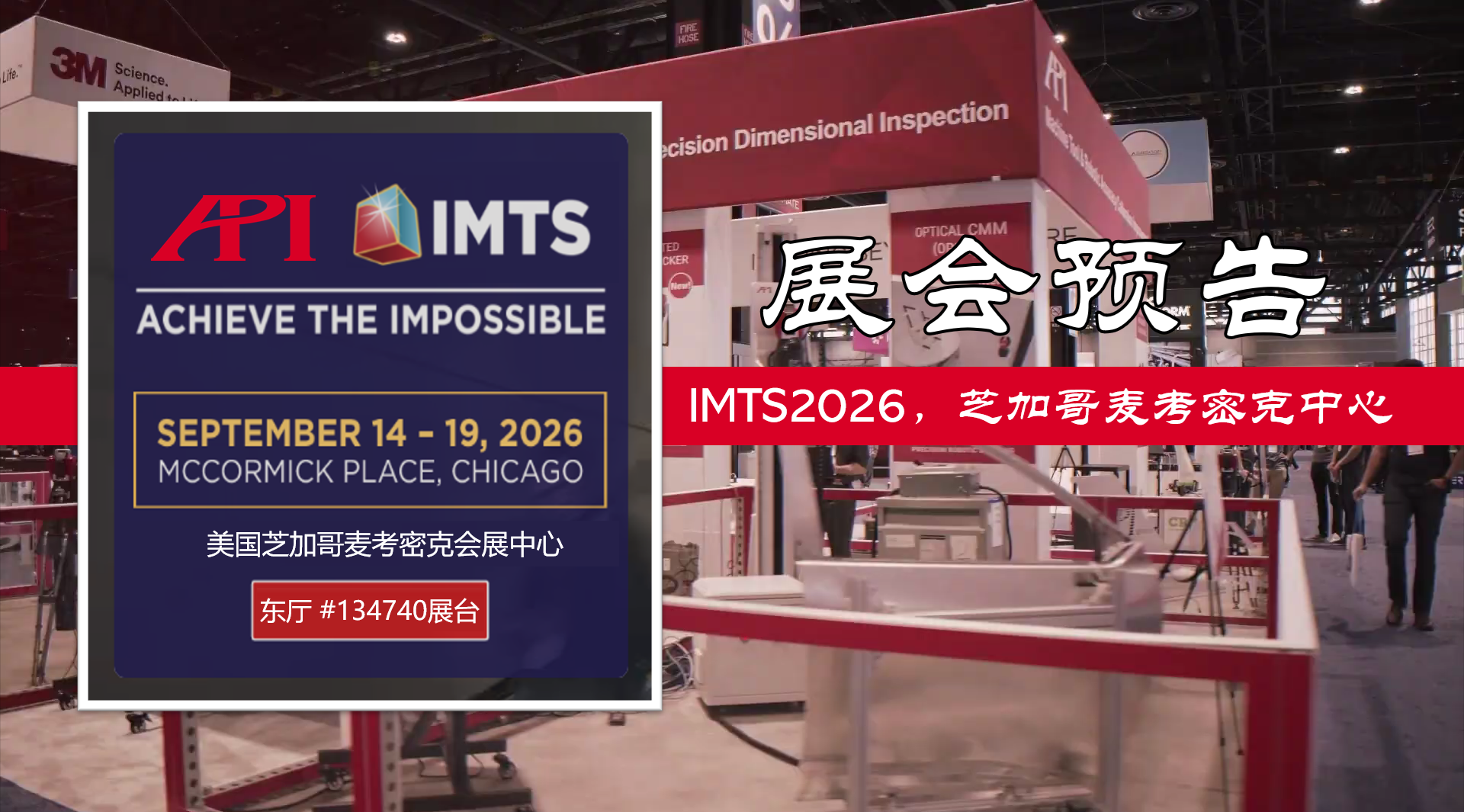
API exhibition preview: IMTS2026
API brand will participate in the IMTS2026 exhibition, which will be held at McC
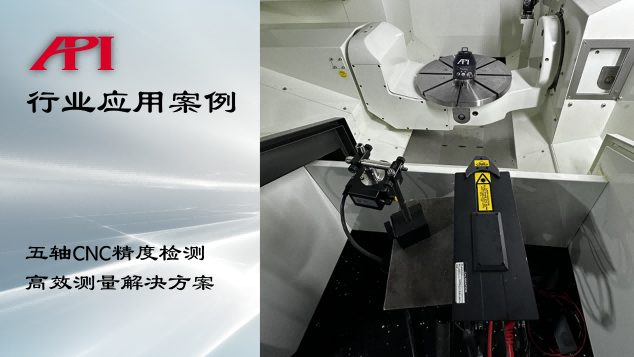
Efficient Measurement Solution for 5-Axis CNC Precision Inspection
5-Axis CNC and Precision InspectionWith the rapid development of CNC machine too
Learn More:
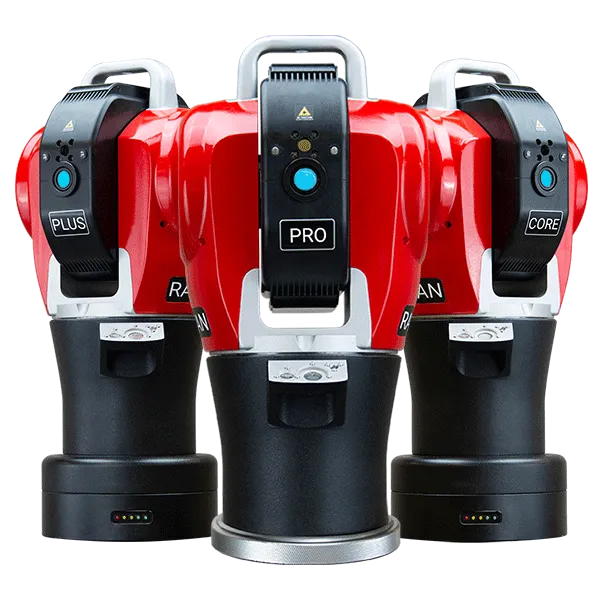
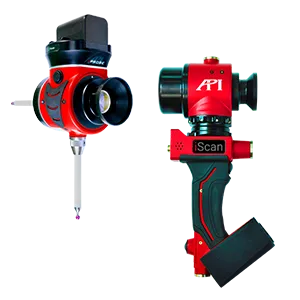
激光跟踪仪靶球&测头
Maximize laser tracker productivity with hand held and 激光跟踪仪主动靶标.
Learn More /laser-tracker-targets
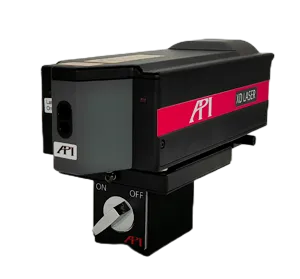
XD Laser CMM Calibration
The XD Laser is the only assessment system that can measure all 6 error parameters simultaneously in a single set-up
Learn More /xd-laser

API Reverse Engineering Service
Reverse engineering services include scan as-built parts to creation of a 3D digital point cloud and CAD Model.
Learn More /reverse-engineering/